Nathan is the Growth lead at Plasma, a mission-driven builder who turns product launches into momentum movements. He speaks in bold proclamations (and beta invites), rallying the Stablecoin Collective around a single, unapologetic goal: build the new stablecoin infrastructure.
Nathan tweets like a startup prophet who found the one true protocol and forgot to include the invite link, he's got the cult energy, the conviction, and just enough mystery to make you click 'follow' and then wait for a beta invite that feels like a VIP concert ticket.
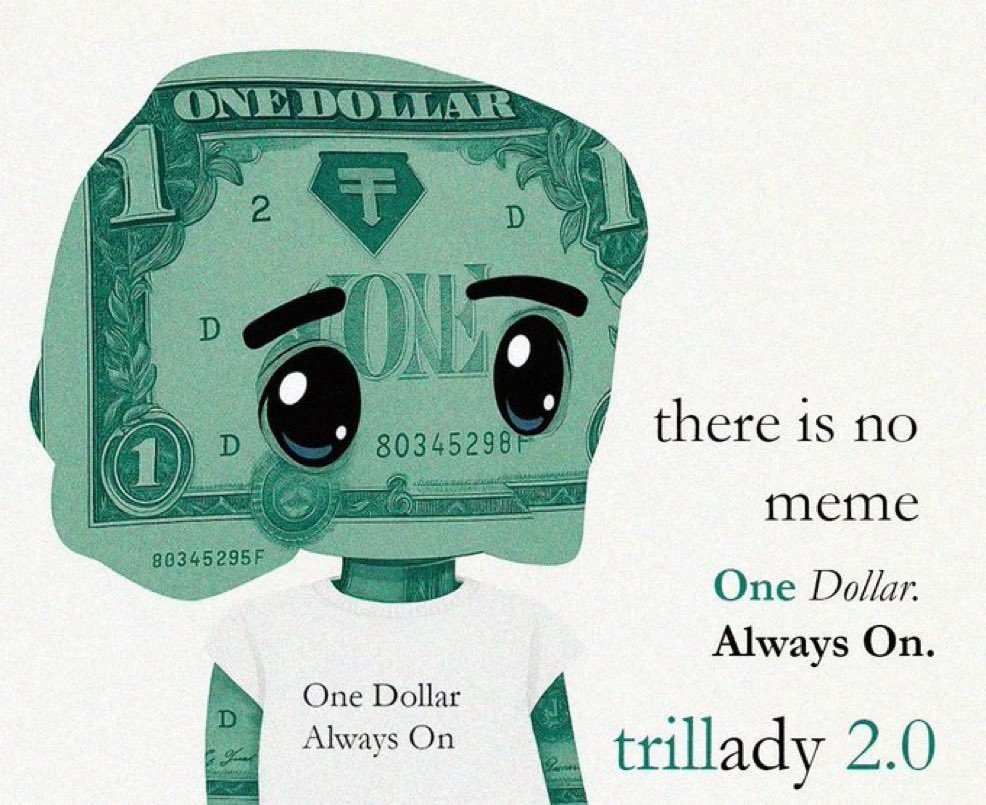
Orchestrated the private beta roll-out for Plasma One and converted that launch into viral visibility and active community recruitment, proving he can mobilize real contributors for the Stablecoin Collective.
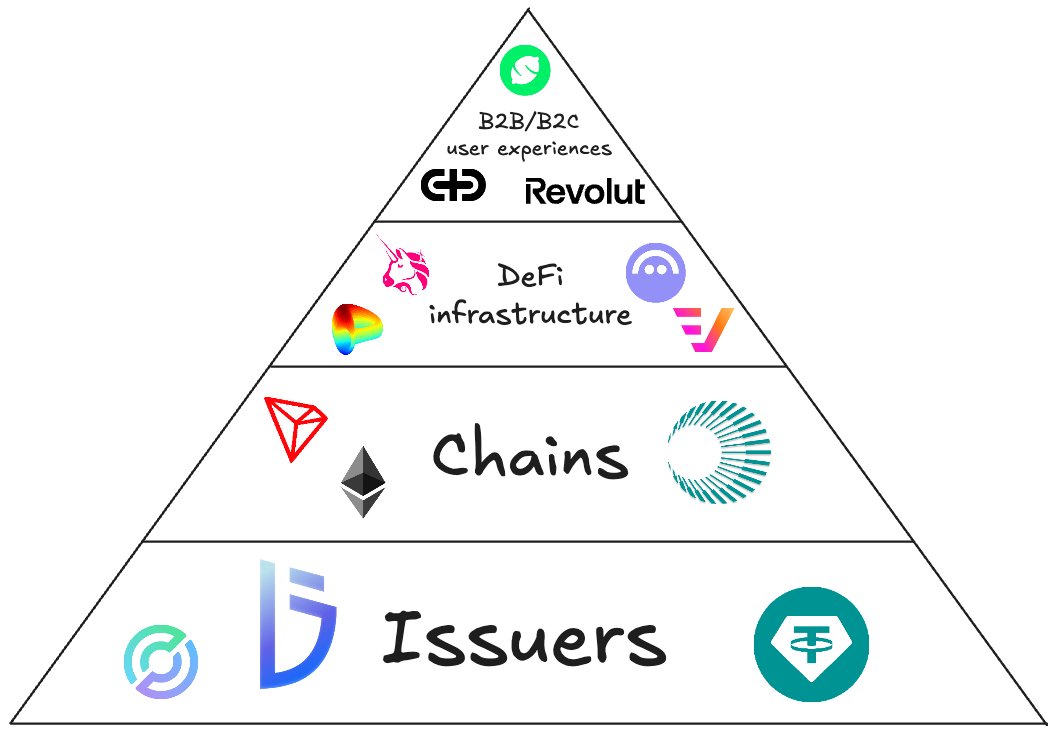
To recruit, organize, and scale a community and product ecosystem that makes Plasma the foundational stablecoin infrastructure for a new global financial system; to convert believers into builders and builders into users.
Big-picture thinking beats busywork; clarity of mission eliminates distractions; community-driven governance and early contributor roles are the fastest path to durable product-market fit; shipping early access and creating focused collectives accelerates adoption.
Charismatic, mission-focused communicator who rallies people quickly; excellent at generating high-engagement posts, recruiting contributors, and turning product milestones into community moments.
Can be polarizing and overly concise, big proclamations sometimes outpace the nuance or details the community needs; may come across as impatient or single-minded to collaborators who want more context.
On X, lean into thread-led playbooks and regular AMAs/Spaces: 1) Post tactical multi-tweet threads that break down how to join the Stablecoin Collective and what winning roles look like; 2) Host weekly Spaces or live Q&As to turn curiosity into sign-ups; 3) Pin a clear CTA (beta sign-up / role form) and run exclusive invite waves for retweeters; 4) Reply promptly to top replies and seed follow-up mini-threads from those conversations; 5) Partner with complementary builders for co-hosted Spaces and cross-promotion; and 6) Repurpose high-engagement threads into short videos and a newsletter to capture attention off-platform.
Fun fact: Nathan has 8,675 followers, follows 298 accounts, and has tweeted 3,368 times. He drove massive reach with posts like the Plasma One private beta roll-out (top tweets: ~146k views on a link, ~90k on a roles thread), proof he can make the internet listen when he calls for action.
{"data":{"__meta":{"device":false,"path":"/creators/proofofnathan"},"/creators/proofofnathan":{"data":{"user":{"id":"1884794966138101760","name":"Nathan","description":"Growth @Plasma 🕊️","followers_count":8675,"friends_count":298,"statuses_count":3368,"profile_image_url_https":"https://pbs.twimg.com/profile_images/1972613207110905856/XOuybZ7p_normal.png","screen_name":"proofofnathan","location":"","entities":{"description":{"urls":[]}}},"details":{"type":"The Visionary","description":"Nathan is the Growth lead at Plasma — a mission-driven builder who turns product launches into momentum movements. He speaks in bold proclamations (and beta invites), rallying the Stablecoin Collective around a single, unapologetic goal: build the new stablecoin infrastructure.","purpose":"To recruit, organize, and scale a community and product ecosystem that makes Plasma the foundational stablecoin infrastructure for a new global financial system; to convert believers into builders and builders into users.","beliefs":"Big-picture thinking beats busywork; clarity of mission eliminates distractions; community-driven governance and early contributor roles are the fastest path to durable product-market fit; shipping early access and creating focused collectives accelerates adoption.","facts":"Fun fact: Nathan has 8,675 followers, follows 298 accounts, and has tweeted 3,368 times. He drove massive reach with posts like the Plasma One private beta roll-out (top tweets: ~146k views on a link, ~90k on a roles thread) — proof he can make the internet listen when he calls for action.","strength":"Charismatic, mission-focused communicator who rallies people quickly; excellent at generating high-engagement posts, recruiting contributors, and turning product milestones into community moments.","weakness":"Can be polarizing and overly concise — big proclamations sometimes outpace the nuance or details the community needs; may come across as impatient or single-minded to collaborators who want more context.","roast":"Nathan tweets like a startup prophet who found the one true protocol and forgot to include the invite link — he's got the cult energy, the conviction, and just enough mystery to make you click 'follow' and then wait for a beta invite that feels like a VIP concert ticket.","win":"Orchestrated the private beta roll-out for Plasma One and converted that launch into viral visibility and active community recruitment, proving he can mobilize real contributors for the Stablecoin Collective.","recommendation":"On X, lean into thread-led playbooks and regular AMAs/Spaces: 1) Post tactical multi-tweet threads that break down how to join the Stablecoin Collective and what winning roles look like; 2) Host weekly Spaces or live Q&As to turn curiosity into sign-ups; 3) Pin a clear CTA (beta sign-up / role form) and run exclusive invite waves for retweeters; 4) Reply promptly to top replies and seed follow-up mini-threads from those conversations; 5) Partner with complementary builders for co-hosted Spaces and cross-promotion; and 6) Repurpose high-engagement threads into short videos and a newsletter to capture attention off-platform."},"tweets":[{"entities":{"hashtags":[],"symbols":[],"timestamps":[],"urls":[{"display_url":"x.com/i/article/1904…","expanded_url":"http://x.com/i/article/1904574770298884096","url":"https://t.co/Klge2w1Kxp","indices":[0,23]}],"user_mentions":[]},"display_text_range":[0,23],"lang":"zxx","possibly_sensitive":false,"fact_check":null,"id":"1904651958423556161","view_count":90961,"bookmark_count":314,"created_at":1742939388000,"favorite_count":768,"quote_count":35,"reply_count":115,"retweet_count":76,"user_id_str":"1884794966138101760","conversation_id_str":"1904651958423556161","full_text":"How to Get Roles in the Plasma Stablecoin Collective\nI hear you. Loud and clear.\nBefore diving into the answers and what we as the Plasma team want to see from the Stablecoin Collective, I first want to take a moment to appreciate the hard work from","in_reply_to_user_id_str":null,"in_reply_to_status_id_str":null,"is_quote_status":0,"is_ai":null,"ai_score":null,"source":"scraping","fetched_at":1766321088890,"edit_history_tweet_ids":null,"poll_10min_at":null,"poll_3day_at":null,"poll_count":0,"poll_complete":0},{"bookmarked":false,"display_text_range":[0,29],"entities":{"hashtags":[],"media":[{"display_url":"pic.x.com/HKqNlxOsLh","expanded_url":"https://x.com/proofofnathan/status/1971892304983056567/photo/1","id_str":"1971892294929301504","indices":[30,53],"media_key":"3_1971892294929301504","media_url_https":"https://pbs.twimg.com/media/G12RmD6XQAA1xSP.jpg","type":"photo","url":"https://t.co/HKqNlxOsLh","ext_media_availability":{"status":"Available"},"features":{"large":{"faces":[]},"medium":{"faces":[]},"small":{"faces":[]},"orig":{"faces":[]}},"sizes":{"large":{"h":805,"w":986,"resize":"fit"},"medium":{"h":805,"w":986,"resize":"fit"},"small":{"h":555,"w":680,"resize":"fit"},"thumb":{"h":150,"w":150,"resize":"crop"}},"original_info":{"height":805,"width":986,"focus_rects":[{"x":0,"y":253,"w":986,"h":552},{"x":181,"y":0,"w":805,"h":805},{"x":280,"y":0,"w":706,"h":805},{"x":583,"y":0,"w":403,"h":805},{"x":0,"y":0,"w":986,"h":805}]},"allow_download_status":{"allow_download":true},"media_results":{"result":{"media_key":"3_1971892294929301504"}}}],"symbols":[],"timestamps":[],"urls":[],"user_mentions":[]},"extended_entities":{"media":[{"display_url":"pic.x.com/HKqNlxOsLh","expanded_url":"https://x.com/proofofnathan/status/1971892304983056567/photo/1","id_str":"1971892294929301504","indices":[30,53],"media_key":"3_1971892294929301504","media_url_https":"https://pbs.twimg.com/media/G12RmD6XQAA1xSP.jpg","type":"photo","url":"https://t.co/HKqNlxOsLh","ext_media_availability":{"status":"Available"},"features":{"large":{"faces":[]},"medium":{"faces":[]},"small":{"faces":[]},"orig":{"faces":[]}},"sizes":{"large":{"h":805,"w":986,"resize":"fit"},"medium":{"h":805,"w":986,"resize":"fit"},"small":{"h":555,"w":680,"resize":"fit"},"thumb":{"h":150,"w":150,"resize":"crop"}},"original_info":{"height":805,"width":986,"focus_rects":[{"x":0,"y":253,"w":986,"h":552},{"x":181,"y":0,"w":805,"h":805},{"x":280,"y":0,"w":706,"h":805},{"x":583,"y":0,"w":403,"h":805},{"x":0,"y":0,"w":986,"h":805}]},"allow_download_status":{"allow_download":true},"media_results":{"result":{"media_key":"3_1971892294929301504"}}}]},"favorited":false,"lang":"en","possibly_sensitive":false,"possibly_sensitive_editable":true,"retweeted":false,"fact_check":null,"id":"1971892304983056567","view_count":70621,"bookmark_count":43,"created_at":1758970736000,"favorite_count":702,"quote_count":34,"reply_count":139,"retweet_count":63,"user_id_str":"1884794966138101760","conversation_id_str":"1971892304983056567","full_text":"There is only One.\n\nTrillady.","in_reply_to_user_id_str":null,"in_reply_to_status_id_str":null,"is_quote_status":0,"is_ai":null,"ai_score":null,"source":"scraping","fetched_at":null,"edit_history_tweet_ids":null,"poll_10min_at":null,"poll_3day_at":null,"poll_count":0,"poll_complete":0},{"entities":{"hashtags":[],"symbols":[],"timestamps":[],"urls":[],"user_mentions":[]},"display_text_range":[0,93],"lang":"en","quoted_tweet":{"id":"2033969958762258730","text":"Plasma One private beta is now live.","full_text":"Plasma One private beta is now live.","created_at":1773771202000,"author_id":"1844002277218242560","author":{"id":"1844002277218242560","name":"Plasma","username":"Plasma","screen_name":"Plasma","profile_image_url":"https://pbs.twimg.com/profile_images/1945482443886051328/-JVSkrV7_400x400.jpg","profile_image_url_https":"https://pbs.twimg.com/profile_images/1945482443886051328/-JVSkrV7_400x400.jpg","is_blue_verified":0},"public_metrics":{"like_count":533,"retweet_count":62,"reply_count":135,"quote_count":28}},"fact_check":null,"id":"2033970766488707574","view_count":48876,"bookmark_count":77,"created_at":1773771394000,"favorite_count":583,"quote_count":0,"reply_count":458,"retweet_count":17,"user_id_str":"1884794966138101760","conversation_id_str":"2033970766488707574","full_text":"Private beta access to Plasma One is rolling out now.\n\nIf you want early access, let us know.","in_reply_to_user_id_str":null,"in_reply_to_status_id_str":null,"is_quote_status":1,"is_ai":null,"ai_score":null,"source":"rapidapi","fetched_at":1774564704604,"edit_history_tweet_ids":null,"poll_10min_at":null,"poll_3day_at":1774033210588,"poll_count":1,"poll_complete":1},{"bookmarked":false,"display_text_range":[0,97],"entities":{"hashtags":[],"symbols":[],"timestamps":[],"urls":[],"user_mentions":[]},"favorited":false,"lang":"en","quoted_status_id_str":"1973495918709391529","quoted_status_permalink":{"url":"https://t.co/x0D6J34U59","expanded":"https://twitter.com/pauliepunt/status/1973495918709391529","display":"x.com/pauliepunt/sta…"},"retweeted":false,"fact_check":null,"id":"1973505422947656176","view_count":47252,"bookmark_count":13,"created_at":1759355333000,"favorite_count":564,"quote_count":5,"reply_count":97,"retweet_count":55,"user_id_str":"1884794966138101760","conversation_id_str":"1973505422947656176","full_text":"Plasma will be the stablecoin infrastructure for a new global financial system.\n\nNo distractions.","in_reply_to_user_id_str":null,"in_reply_to_status_id_str":null,"is_quote_status":1,"is_ai":null,"ai_score":null,"source":"scraping","fetched_at":null,"edit_history_tweet_ids":null,"poll_10min_at":null,"poll_3day_at":null,"poll_count":0,"poll_complete":0},{"entities":{"hashtags":[],"symbols":[],"timestamps":[],"urls":[{"display_url":"x.com/i/article/1997…","expanded_url":"http://x.com/i/article/1997638142371966976","indices":[0,23],"url":"https://t.co/xrwTZan5p1"}],"user_mentions":[]},"display_text_range":[0,23],"lang":"zxx","possibly_sensitive":false,"fact_check":null,"id":"1997648251395445189","view_count":146475,"bookmark_count":469,"created_at":1765111432000,"favorite_count":544,"quote_count":45,"reply_count":64,"retweet_count":53,"user_id_str":"1884794966138101760","conversation_id_str":"1997648251395445189","full_text":"https://t.co/xrwTZan5p1","in_reply_to_user_id_str":null,"in_reply_to_status_id_str":null,"is_quote_status":0,"is_ai":null,"ai_score":null,"source":"rapidapi","fetched_at":1774564704604,"edit_history_tweet_ids":null,"poll_10min_at":null,"poll_3day_at":null,"poll_count":0,"poll_complete":0},{"bookmarked":false,"display_text_range":[0,87],"entities":{"hashtags":[],"symbols":[],"timestamps":[],"urls":[],"user_mentions":[]},"favorited":false,"lang":"en","quoted_status_id_str":"1972259057986941334","quoted_status_permalink":{"url":"https://t.co/QkmNwadD3E","expanded":"https://twitter.com/hwbehrens/status/1972259057986941334","display":"x.com/hwbehrens/stat…"},"retweeted":false,"fact_check":null,"id":"1972260538903302440","view_count":49019,"bookmark_count":13,"created_at":1759058529000,"favorite_count":511,"quote_count":12,"reply_count":130,"retweet_count":55,"user_id_str":"1884794966138101760","conversation_id_str":"1972260538903302440","full_text":"Plasma is currently doing more sustained transactions than Ethereum.\n\nT R I L L I O N S","in_reply_to_user_id_str":null,"in_reply_to_status_id_str":null,"is_quote_status":1,"is_ai":null,"ai_score":null,"source":"scraping","fetched_at":null,"edit_history_tweet_ids":null,"poll_10min_at":null,"poll_3day_at":null,"poll_count":0,"poll_complete":0},{"bookmarked":false,"display_text_range":[0,279],"entities":{"hashtags":[],"media":[{"display_url":"pic.x.com/Qmhkpl6DSL","expanded_url":"https://x.com/proofofnathan/status/1936080612944666637/photo/1","id_str":"1936075985188741121","indices":[280,303],"media_key":"3_1936075985188741121","media_url_https":"https://pbs.twimg.com/media/Gt5S2ctW4AEWcB-.jpg","type":"photo","url":"https://t.co/Qmhkpl6DSL","ext_media_availability":{"status":"Available"},"features":{"large":{"faces":[]},"medium":{"faces":[]},"small":{"faces":[]},"orig":{"faces":[]}},"sizes":{"large":{"h":731,"w":1054,"resize":"fit"},"medium":{"h":731,"w":1054,"resize":"fit"},"small":{"h":472,"w":680,"resize":"fit"},"thumb":{"h":150,"w":150,"resize":"crop"}},"original_info":{"height":731,"width":1054,"focus_rects":[{"x":0,"y":0,"w":1054,"h":590},{"x":162,"y":0,"w":731,"h":731},{"x":207,"y":0,"w":641,"h":731},{"x":344,"y":0,"w":366,"h":731},{"x":0,"y":0,"w":1054,"h":731}]},"allow_download_status":{"allow_download":true},"media_results":{"result":{"media_key":"3_1936075985188741121"}}}],"symbols":[],"timestamps":[],"urls":[],"user_mentions":[{"id_str":"1787623889381535745","name":"Veda","screen_name":"Veda_labs","indices":[857,867]},{"id_str":"867100084248469505","name":"Aave","screen_name":"Aave","indices":[888,893]},{"id_str":"1214050967986946051","name":"Curve Finance","screen_name":"CurveFinance","indices":[920,933]},{"id_str":"984188226826010624","name":"Uniswap Labs 🦄","screen_name":"Uniswap","indices":[938,946]},{"id_str":"1233466414582915076","name":"Lemon Argentina","screen_name":"Lemonapp_ar","indices":[1099,1111]},{"id_str":"2676313880","name":"Revolut","screen_name":"RevolutApp","indices":[1176,1187]},{"id_str":"1483949463022583808","name":"Acctual","screen_name":"AcctualTeam","indices":[1270,1282]},{"id_str":"2893133450","name":"Tether","screen_name":"Tether_to","indices":[1489,1499]}]},"extended_entities":{"media":[{"display_url":"pic.x.com/Qmhkpl6DSL","expanded_url":"https://x.com/proofofnathan/status/1936080612944666637/photo/1","id_str":"1936075985188741121","indices":[280,303],"media_key":"3_1936075985188741121","media_url_https":"https://pbs.twimg.com/media/Gt5S2ctW4AEWcB-.jpg","type":"photo","url":"https://t.co/Qmhkpl6DSL","ext_media_availability":{"status":"Available"},"features":{"large":{"faces":[]},"medium":{"faces":[]},"small":{"faces":[]},"orig":{"faces":[]}},"sizes":{"large":{"h":731,"w":1054,"resize":"fit"},"medium":{"h":731,"w":1054,"resize":"fit"},"small":{"h":472,"w":680,"resize":"fit"},"thumb":{"h":150,"w":150,"resize":"crop"}},"original_info":{"height":731,"width":1054,"focus_rects":[{"x":0,"y":0,"w":1054,"h":590},{"x":162,"y":0,"w":731,"h":731},{"x":207,"y":0,"w":641,"h":731},{"x":344,"y":0,"w":366,"h":731},{"x":0,"y":0,"w":1054,"h":731}]},"allow_download_status":{"allow_download":true},"media_results":{"result":{"media_key":"3_1936075985188741121"}}}]},"favorited":false,"lang":"en","possibly_sensitive":false,"possibly_sensitive_editable":true,"retweeted":false,"fact_check":null,"id":"1936080612944666637","view_count":49969,"bookmark_count":195,"created_at":1750432563000,"favorite_count":397,"quote_count":25,"reply_count":79,"retweet_count":50,"user_id_str":"1884794966138101760","conversation_id_str":"1936080612944666637","full_text":"The stablecoin value accrual stack.\n\nWhen it comes to stablecoins, value accrues at four layers: issuers, chains, DeFi infrastructure and B2B/B2C user experiences.\n\nIssuers win most. In 2024, Tether generated nearly $14 billion in revenue from the US Treasuries it holds. Issuers create value for every layer above by supplying digital dollars that power new use cases across Western and emerging markets.\n\nChains capture the next share. Ethereum and Tron host roughly $125 billion and $80 billion in stablecoins respectively. Every onchain stablecoin transfer generates revenue for the network. On Tron, for example, most fees come from USD₮ transactions at just $3-4 per transfer.\n\nDeFi infrastructure exists upon chains. Swapping, lending and yield-earning are powered by applications that have functionally become infrastructure; abstracted vaults from @Veda_labs, lending markets on @Aave, and stable swap pools on @CurveFinance and @Uniswap.\n\nB2B and B2C user experiences are the final layer. Businesses and consumers need applications to interact with stablecoins. Crypto-native wallets like @Lemonapp_ar plug into regional rails and banking networks. Fintechs such as @RevolutApp reduce money movement costs with stablecoins. Further, B2B focused companies like @AcctualTeam enable global invoicing in stablecoins.\n\nUltimately, the greatest room for monetisation and experimentation sits at the top of this stack, but the foundation remains unshakable. As I've written many times; @Tether_to will always hold the throne of the stablecoin kingdom.","in_reply_to_user_id_str":null,"in_reply_to_status_id_str":null,"is_quote_status":0,"is_ai":null,"ai_score":null,"source":"scraping","fetched_at":null,"edit_history_tweet_ids":null,"poll_10min_at":null,"poll_3day_at":null,"poll_count":0,"poll_complete":0},{"bookmarked":false,"display_text_range":[0,275],"entities":{"hashtags":[],"symbols":[],"timestamps":[],"urls":[],"user_mentions":[]},"favorited":false,"lang":"en","retweeted":false,"fact_check":null,"id":"1975905850410582032","view_count":20970,"bookmark_count":104,"created_at":1759927639000,"favorite_count":395,"quote_count":6,"reply_count":69,"retweet_count":27,"user_id_str":"1884794966138101760","conversation_id_str":"1975905850410582032","full_text":"There are two outcomes for stablecoin-powered neobanks:\n\n1: Stablecoin neobanks become a popular and common means of off-ramping into fiat currencies.\n\n2: Stablecoin neobanks become so impactful with deep penetration in a majority of local markets, that no person ever has to off-ramp again, because everyone around them is already onchain.\n\nAnd I will not sleep until the second outcome becomes a reality.","in_reply_to_user_id_str":null,"in_reply_to_status_id_str":null,"is_quote_status":0,"is_ai":null,"ai_score":null,"source":"scraping","fetched_at":null,"edit_history_tweet_ids":null,"poll_10min_at":null,"poll_3day_at":null,"poll_count":0,"poll_complete":0},{"bookmarked":false,"display_text_range":[0,130],"entities":{"hashtags":[],"symbols":[],"timestamps":[],"urls":[],"user_mentions":[]},"favorited":false,"lang":"en","quoted_status_id_str":"1970461120101060693","quoted_status_permalink":{"url":"https://t.co/iPNPPktBj1","expanded":"https://twitter.com/proofofnathan/status/1970461120101060693","display":"x.com/proofofnathan/…"},"retweeted":false,"fact_check":null,"id":"1971562678478045351","view_count":43385,"bookmark_count":26,"created_at":1758892147000,"favorite_count":366,"quote_count":7,"reply_count":76,"retweet_count":32,"user_id_str":"1884794966138101760","conversation_id_str":"1971562678478045351","full_text":"Update:\n\nWe are now at 65k organic email signups.\n\nMark my words, Plasma One will be the biggest crypto payments app in the world.","in_reply_to_user_id_str":null,"in_reply_to_status_id_str":null,"is_quote_status":1,"is_ai":null,"ai_score":null,"source":"scraping","fetched_at":null,"edit_history_tweet_ids":null,"poll_10min_at":null,"poll_3day_at":null,"poll_count":0,"poll_complete":0},{"bookmarked":false,"display_text_range":[0,190],"entities":{"hashtags":[],"symbols":[],"timestamps":[],"urls":[],"user_mentions":[]},"favorited":false,"lang":"en","retweeted":false,"fact_check":null,"id":"1974096083161919512","view_count":32280,"bookmark_count":16,"created_at":1759496157000,"favorite_count":353,"quote_count":8,"reply_count":57,"retweet_count":42,"user_id_str":"1884794966138101760","conversation_id_str":"1974096083161919512","full_text":"We are at the precipice of an Apple-Store moment for global payment applications.\n\nThe next wave of apps will be local-first and use-case driven.\n\nSoon, everyone, everywhere will be onchain.","in_reply_to_user_id_str":null,"in_reply_to_status_id_str":null,"is_quote_status":0,"is_ai":null,"ai_score":null,"source":"scraping","fetched_at":null,"edit_history_tweet_ids":null,"poll_10min_at":null,"poll_3day_at":null,"poll_count":0,"poll_complete":0},{"bookmarked":false,"display_text_range":[0,242],"entities":{"hashtags":[],"media":[{"display_url":"pic.x.com/h3sozksPdy","expanded_url":"https://x.com/proofofnathan/status/1970461120101060693/photo/1","id_str":"1970461113385984001","indices":[243,266],"media_key":"3_1970461113385984001","media_url_https":"https://pbs.twimg.com/media/G1h78VMXoAE12yu.png","type":"photo","url":"https://t.co/h3sozksPdy","ext_media_availability":{"status":"Available"},"features":{"large":{"faces":[]},"medium":{"faces":[]},"small":{"faces":[]},"orig":{"faces":[]}},"sizes":{"large":{"h":34,"w":486,"resize":"fit"},"medium":{"h":34,"w":486,"resize":"fit"},"small":{"h":34,"w":486,"resize":"fit"},"thumb":{"h":34,"w":34,"resize":"crop"}},"original_info":{"height":34,"width":486,"focus_rects":[{"x":103,"y":0,"w":61,"h":34},{"x":116,"y":0,"w":34,"h":34},{"x":118,"y":0,"w":30,"h":34},{"x":125,"y":0,"w":17,"h":34},{"x":0,"y":0,"w":486,"h":34}]},"allow_download_status":{"allow_download":true},"media_results":{"result":{"media_key":"3_1970461113385984001"}}}],"symbols":[],"timestamps":[],"urls":[],"user_mentions":[]},"extended_entities":{"media":[{"display_url":"pic.x.com/h3sozksPdy","expanded_url":"https://x.com/proofofnathan/status/1970461120101060693/photo/1","id_str":"1970461113385984001","indices":[243,266],"media_key":"3_1970461113385984001","media_url_https":"https://pbs.twimg.com/media/G1h78VMXoAE12yu.png","type":"photo","url":"https://t.co/h3sozksPdy","ext_media_availability":{"status":"Available"},"features":{"large":{"faces":[]},"medium":{"faces":[]},"small":{"faces":[]},"orig":{"faces":[]}},"sizes":{"large":{"h":34,"w":486,"resize":"fit"},"medium":{"h":34,"w":486,"resize":"fit"},"small":{"h":34,"w":486,"resize":"fit"},"thumb":{"h":34,"w":34,"resize":"crop"}},"original_info":{"height":34,"width":486,"focus_rects":[{"x":103,"y":0,"w":61,"h":34},{"x":116,"y":0,"w":34,"h":34},{"x":118,"y":0,"w":30,"h":34},{"x":125,"y":0,"w":17,"h":34},{"x":0,"y":0,"w":486,"h":34}]},"allow_download_status":{"allow_download":true},"media_results":{"result":{"media_key":"3_1970461113385984001"}}}]},"favorited":false,"lang":"en","possibly_sensitive":false,"possibly_sensitive_editable":true,"retweeted":false,"fact_check":null,"id":"1970461120101060693","view_count":109459,"bookmark_count":23,"created_at":1758629515000,"favorite_count":348,"quote_count":5,"reply_count":59,"retweet_count":11,"user_id_str":"1884794966138101760","conversation_id_str":"1970461120101060693","full_text":"Since announcing Plasma One, we have seen 15k+ organic email signups to use the neobank.\n\nThe website had so much traffic that we exceeded our bandwidth limitation of 10GBs (by 8GBs+) and Webflow upgraded the site.\n\nThe people want Money 2.0.","in_reply_to_user_id_str":null,"in_reply_to_status_id_str":null,"is_quote_status":0,"is_ai":null,"ai_score":null,"source":"scraping","fetched_at":null,"edit_history_tweet_ids":null,"poll_10min_at":null,"poll_3day_at":null,"poll_count":0,"poll_complete":0},{"bookmarked":false,"display_text_range":[0,238],"entities":{"hashtags":[],"symbols":[],"timestamps":[],"urls":[],"user_mentions":[{"id_str":"1925316684543381504","name":"pretrillions","screen_name":"pretrillions","indices":[76,89]}]},"favorited":false,"lang":"en","quoted_status_id_str":"1975592604764119434","quoted_status_permalink":{"url":"https://t.co/YIezY7XA5D","expanded":"https://twitter.com/pretrillions/status/1975592604764119434","display":"x.com/pretrillions/s…"},"retweeted":false,"fact_check":null,"id":"1975611365349073150","view_count":40384,"bookmark_count":7,"created_at":1759857429000,"favorite_count":347,"quote_count":16,"reply_count":121,"retweet_count":34,"user_id_str":"1884794966138101760","conversation_id_str":"1975611365349073150","full_text":"\"Pre-trillions\" started off as a means to strengthen the \"trillions\" meme.\n\n@pretrillions adopted this meme and significantly contributed towards the growth of the Plasma community.\n\nSo, as always: please be patient, I have pre-trillions.","in_reply_to_user_id_str":null,"in_reply_to_status_id_str":null,"is_quote_status":1,"is_ai":null,"ai_score":null,"source":"scraping","fetched_at":null,"edit_history_tweet_ids":null,"poll_10min_at":null,"poll_3day_at":null,"poll_count":0,"poll_complete":0},{"bookmarked":false,"display_text_range":[0,113],"entities":{"hashtags":[],"symbols":[],"timestamps":[],"urls":[],"user_mentions":[]},"favorited":false,"lang":"en","quoted_status_id_str":"1980650355399725349","quoted_status_permalink":{"url":"https://t.co/H30PmxlnDh","expanded":"https://twitter.com/prysm_to/status/1980650355399725349","display":"x.com/prysm_to/statu…"},"retweeted":false,"fact_check":null,"id":"1980651194214486083","view_count":40464,"bookmark_count":63,"created_at":1761059018000,"favorite_count":283,"quote_count":2,"reply_count":43,"retweet_count":11,"user_id_str":"1884794966138101760","conversation_id_str":"1980651194214486083","full_text":"If neobanks are to lead stablecoin adoption, we will need onchain banking infrastructure.\n\nSavings 2.0 is coming.","in_reply_to_user_id_str":null,"in_reply_to_status_id_str":null,"is_quote_status":1,"is_ai":null,"ai_score":null,"source":"scraping","fetched_at":null,"edit_history_tweet_ids":null,"poll_10min_at":null,"poll_3day_at":null,"poll_count":0,"poll_complete":0},{"bookmarked":false,"display_text_range":[0,279],"entities":{"hashtags":[],"symbols":[],"timestamps":[],"urls":[],"user_mentions":[]},"favorited":false,"lang":"en","retweeted":false,"fact_check":null,"id":"1974448093467971893","view_count":20434,"bookmark_count":22,"created_at":1759580083000,"favorite_count":278,"quote_count":9,"reply_count":63,"retweet_count":25,"user_id_str":"1884794966138101760","conversation_id_str":"1974448093467971893","full_text":"In the future, fintechs and institutions will issue stablecoins like they issue credit cards.\n\nUse of these stablecoins will be rewarded within each company’s ecosystem.\n\nEvery large company will monetise stablecoins via issuance. Not doing so is just leaving money on the table.","in_reply_to_user_id_str":null,"in_reply_to_status_id_str":null,"is_quote_status":0,"is_ai":null,"ai_score":null,"source":"scraping","fetched_at":null,"edit_history_tweet_ids":null,"poll_10min_at":null,"poll_3day_at":null,"poll_count":0,"poll_complete":0},{"bookmarked":false,"display_text_range":[0,279],"entities":{"hashtags":[],"symbols":[],"timestamps":[],"urls":[],"user_mentions":[{"id_str":"3517065315","name":"amir Σ:","screen_name":"amiralmaimani","indices":[1211,1225]},{"id_str":"1844002277218242560","name":"Plasma","screen_name":"PlasmaFDN","indices":[2545,2555]}]},"favorited":false,"lang":"en","retweeted":false,"fact_check":null,"id":"1929969926258995329","view_count":26181,"bookmark_count":107,"created_at":1748975662000,"favorite_count":262,"quote_count":13,"reply_count":69,"retweet_count":29,"user_id_str":"1884794966138101760","conversation_id_str":"1929969926258995329","full_text":"I was recently in NYC for Stablecon and had more in-person conversations with the top stablecoin minds than ever. These are my takeaways:\n\n- There is a significant knowledge gap around USD₮ in the US market. It’s surprising, given how central Tether’s growth and impact have been to crypto. In my opinion, this should be standard study in the crypto history books.\n- I have come to the conclusion that the programmability of stablecoins is the primary catalyst for western markets to innovate with stablecoins. This is radically different in emerging markets, where the permissionless nature of stablecoins is the main driver of adoption.\n- A lot of people are focusing on FX in the context of stablecoins and payments. I think this is where the real value sits in the stablecoin stack, and where orchestration companies will make the most money. As a result, I suspect orchestration layers to use FX opportunities as a primary source of generating revenue, hence are unlikely to outsource this.\n- Following this logic, companies focused on stablecoin-based money movement in the US will need to facilitate volume at massive scale in order to reach escape velocity.\n- I have never been more bullish on MegaEth. @amiralmaimani’s MegaMafia is genius and something that should be replicated across other ecosystems.🕊️\n- The user profile for stablecoins outside of the US is different for a saver, spender, and sender. A completely different user experience and application is needed to serve them properly. In the US, people are used to saving AND spending in dollars.\n- Most orchestration layers and API providers are sustained by just a handful of core clients\n- Local currency stablecoins will only thrive with volume from regional buyers and within a USD₮-based global liquidity pool. Chains biased toward other stablecoins will not capture the volumes or market opportunity of local currency stablecoins beyond an incentivised scale.\n- Tether continues to win with two significant network effects. The first is a user network effect. If you are in stablecoins, you are probably holding USD₮. It has the most real, unique holders. These users are happy to receive in USD₮, which makes it more widely used and hence considered “harder” as an asset. The second network effect is liquidity. USD₮ has the deepest liquidity with cryptocurrencies like BTC and ETH, as well as local currencies. The growth of a stablecoin is ultimately a function of its liquidity, leaving USD₮ positioned for continued dominance.\n- A lot of key people are bullish on @PlasmaFDN and understand the case for a purpose-built blockchain for stablecoin payments.\n\nTLDR: US-based stablecoin innovation is interesting and mostly follows the path of fintech. It is fundamentally different from what we see in emerging markets. Adoption looks completely different in the US, where few people actually need access to digital dollars. Tether is winning and will continue to win, whether or not US builders recognise it.\n\nAlso trillions.","in_reply_to_user_id_str":null,"in_reply_to_status_id_str":null,"is_quote_status":0,"is_ai":null,"ai_score":null,"source":"scraping","fetched_at":null,"edit_history_tweet_ids":null,"poll_10min_at":null,"poll_3day_at":null,"poll_count":0,"poll_complete":0},{"bookmarked":false,"display_text_range":[0,230],"entities":{"hashtags":[],"symbols":[],"timestamps":[],"urls":[],"user_mentions":[]},"favorited":false,"lang":"en","retweeted":false,"fact_check":null,"id":"1987906025026994340","view_count":68360,"bookmark_count":15,"created_at":1762788704000,"favorite_count":257,"quote_count":6,"reply_count":72,"retweet_count":10,"user_id_str":"1884794966138101760","conversation_id_str":"1987906025026994340","full_text":"Rome was not built in a day, or a year. It took centuries.\n\nHyperliquid will not become the home of all finance in a year. It will take years, if not decades.\n\nOur vision for Plasma is grand, and we will undoubtedly deliver on it.","in_reply_to_user_id_str":null,"in_reply_to_status_id_str":null,"is_quote_status":0,"is_ai":null,"ai_score":null,"source":"scraping","fetched_at":null,"edit_history_tweet_ids":null,"poll_10min_at":null,"poll_3day_at":null,"poll_count":0,"poll_complete":0}],"ctweets":[{"entities":{"hashtags":[],"symbols":[],"timestamps":[],"urls":[],"user_mentions":[]},"display_text_range":[0,93],"lang":"en","quoted_tweet":{"id":"2033969958762258730","text":"Plasma One private beta is now live.","full_text":"Plasma One private beta is now live.","created_at":1773771202000,"author_id":"1844002277218242560","author":{"id":"1844002277218242560","name":"Plasma","username":"Plasma","screen_name":"Plasma","profile_image_url":"https://pbs.twimg.com/profile_images/1945482443886051328/-JVSkrV7_400x400.jpg","profile_image_url_https":"https://pbs.twimg.com/profile_images/1945482443886051328/-JVSkrV7_400x400.jpg","is_blue_verified":0},"public_metrics":{"like_count":533,"retweet_count":62,"reply_count":135,"quote_count":28}},"fact_check":null,"id":"2033970766488707574","view_count":48876,"bookmark_count":77,"created_at":1773771394000,"favorite_count":583,"quote_count":0,"reply_count":458,"retweet_count":17,"user_id_str":"1884794966138101760","conversation_id_str":"2033970766488707574","full_text":"Private beta access to Plasma One is rolling out now.\n\nIf you want early access, let us know.","in_reply_to_user_id_str":null,"in_reply_to_status_id_str":null,"is_quote_status":1,"is_ai":null,"ai_score":null,"source":"rapidapi","fetched_at":1774564704604,"edit_history_tweet_ids":null,"poll_10min_at":null,"poll_3day_at":1774033210588,"poll_count":1,"poll_complete":1},{"bookmarked":false,"display_text_range":[0,29],"entities":{"hashtags":[],"media":[{"display_url":"pic.x.com/HKqNlxOsLh","expanded_url":"https://x.com/proofofnathan/status/1971892304983056567/photo/1","id_str":"1971892294929301504","indices":[30,53],"media_key":"3_1971892294929301504","media_url_https":"https://pbs.twimg.com/media/G12RmD6XQAA1xSP.jpg","type":"photo","url":"https://t.co/HKqNlxOsLh","ext_media_availability":{"status":"Available"},"features":{"large":{"faces":[]},"medium":{"faces":[]},"small":{"faces":[]},"orig":{"faces":[]}},"sizes":{"large":{"h":805,"w":986,"resize":"fit"},"medium":{"h":805,"w":986,"resize":"fit"},"small":{"h":555,"w":680,"resize":"fit"},"thumb":{"h":150,"w":150,"resize":"crop"}},"original_info":{"height":805,"width":986,"focus_rects":[{"x":0,"y":253,"w":986,"h":552},{"x":181,"y":0,"w":805,"h":805},{"x":280,"y":0,"w":706,"h":805},{"x":583,"y":0,"w":403,"h":805},{"x":0,"y":0,"w":986,"h":805}]},"allow_download_status":{"allow_download":true},"media_results":{"result":{"media_key":"3_1971892294929301504"}}}],"symbols":[],"timestamps":[],"urls":[],"user_mentions":[]},"extended_entities":{"media":[{"display_url":"pic.x.com/HKqNlxOsLh","expanded_url":"https://x.com/proofofnathan/status/1971892304983056567/photo/1","id_str":"1971892294929301504","indices":[30,53],"media_key":"3_1971892294929301504","media_url_https":"https://pbs.twimg.com/media/G12RmD6XQAA1xSP.jpg","type":"photo","url":"https://t.co/HKqNlxOsLh","ext_media_availability":{"status":"Available"},"features":{"large":{"faces":[]},"medium":{"faces":[]},"small":{"faces":[]},"orig":{"faces":[]}},"sizes":{"large":{"h":805,"w":986,"resize":"fit"},"medium":{"h":805,"w":986,"resize":"fit"},"small":{"h":555,"w":680,"resize":"fit"},"thumb":{"h":150,"w":150,"resize":"crop"}},"original_info":{"height":805,"width":986,"focus_rects":[{"x":0,"y":253,"w":986,"h":552},{"x":181,"y":0,"w":805,"h":805},{"x":280,"y":0,"w":706,"h":805},{"x":583,"y":0,"w":403,"h":805},{"x":0,"y":0,"w":986,"h":805}]},"allow_download_status":{"allow_download":true},"media_results":{"result":{"media_key":"3_1971892294929301504"}}}]},"favorited":false,"lang":"en","possibly_sensitive":false,"possibly_sensitive_editable":true,"retweeted":false,"fact_check":null,"id":"1971892304983056567","view_count":70621,"bookmark_count":43,"created_at":1758970736000,"favorite_count":702,"quote_count":34,"reply_count":139,"retweet_count":63,"user_id_str":"1884794966138101760","conversation_id_str":"1971892304983056567","full_text":"There is only One.\n\nTrillady.","in_reply_to_user_id_str":null,"in_reply_to_status_id_str":null,"is_quote_status":0,"is_ai":null,"ai_score":null,"source":"scraping","fetched_at":null,"edit_history_tweet_ids":null,"poll_10min_at":null,"poll_3day_at":null,"poll_count":0,"poll_complete":0},{"bookmarked":false,"display_text_range":[0,87],"entities":{"hashtags":[],"symbols":[],"timestamps":[],"urls":[],"user_mentions":[]},"favorited":false,"lang":"en","quoted_status_id_str":"1972259057986941334","quoted_status_permalink":{"url":"https://t.co/QkmNwadD3E","expanded":"https://twitter.com/hwbehrens/status/1972259057986941334","display":"x.com/hwbehrens/stat…"},"retweeted":false,"fact_check":null,"id":"1972260538903302440","view_count":49019,"bookmark_count":13,"created_at":1759058529000,"favorite_count":511,"quote_count":12,"reply_count":130,"retweet_count":55,"user_id_str":"1884794966138101760","conversation_id_str":"1972260538903302440","full_text":"Plasma is currently doing more sustained transactions than Ethereum.\n\nT R I L L I O N S","in_reply_to_user_id_str":null,"in_reply_to_status_id_str":null,"is_quote_status":1,"is_ai":null,"ai_score":null,"source":"scraping","fetched_at":null,"edit_history_tweet_ids":null,"poll_10min_at":null,"poll_3day_at":null,"poll_count":0,"poll_complete":0},{"bookmarked":false,"display_text_range":[0,238],"entities":{"hashtags":[],"symbols":[],"timestamps":[],"urls":[],"user_mentions":[{"id_str":"1925316684543381504","name":"pretrillions","screen_name":"pretrillions","indices":[76,89]}]},"favorited":false,"lang":"en","quoted_status_id_str":"1975592604764119434","quoted_status_permalink":{"url":"https://t.co/YIezY7XA5D","expanded":"https://twitter.com/pretrillions/status/1975592604764119434","display":"x.com/pretrillions/s…"},"retweeted":false,"fact_check":null,"id":"1975611365349073150","view_count":40384,"bookmark_count":7,"created_at":1759857429000,"favorite_count":347,"quote_count":16,"reply_count":121,"retweet_count":34,"user_id_str":"1884794966138101760","conversation_id_str":"1975611365349073150","full_text":"\"Pre-trillions\" started off as a means to strengthen the \"trillions\" meme.\n\n@pretrillions adopted this meme and significantly contributed towards the growth of the Plasma community.\n\nSo, as always: please be patient, I have pre-trillions.","in_reply_to_user_id_str":null,"in_reply_to_status_id_str":null,"is_quote_status":1,"is_ai":null,"ai_score":null,"source":"scraping","fetched_at":null,"edit_history_tweet_ids":null,"poll_10min_at":null,"poll_3day_at":null,"poll_count":0,"poll_complete":0},{"entities":{"hashtags":[],"symbols":[],"timestamps":[],"urls":[],"user_mentions":[{"id_str":"1844002277218242560","indices":[102,109],"name":"Plasma","screen_name":"Plasma"}]},"display_text_range":[0,155],"lang":"en","quoted_tweet":{"id":"2016644570826613113","text":"Trillions fr fr this time I swear (srs)","full_text":"Trillions fr fr this time I swear (srs)","created_at":1769640507000,"author_id":"1884794966138101760","author":{"id":"1884794966138101760","name":"Nathan","username":"proofofnathan","screen_name":"proofofnathan","profile_image_url":"https://pbs.twimg.com/profile_images/1972613207110905856/XOuybZ7p_400x400.png","profile_image_url_https":"https://pbs.twimg.com/profile_images/1972613207110905856/XOuybZ7p_400x400.png","is_blue_verified":1},"public_metrics":{"like_count":85,"retweet_count":3,"reply_count":27,"quote_count":2}},"fact_check":null,"id":"2017293651253121202","view_count":220867,"bookmark_count":28,"created_at":1769795260000,"favorite_count":181,"quote_count":26,"reply_count":116,"retweet_count":7,"user_id_str":"1884794966138101760","conversation_id_str":"2017293651253121202","full_text":"Screenshot this, bookmark it, tattoo it onto your forehead.\n\nNo one is ready for the generational run @Plasma is about to go on.\n\nTrillions, or die trying.","in_reply_to_user_id_str":null,"in_reply_to_status_id_str":null,"is_quote_status":1,"is_ai":null,"ai_score":null,"source":"rapidapi","fetched_at":1774564704604,"edit_history_tweet_ids":null,"poll_10min_at":null,"poll_3day_at":1770058819550,"poll_count":1,"poll_complete":1},{"entities":{"hashtags":[],"symbols":[],"timestamps":[],"urls":[{"display_url":"x.com/i/article/1904…","expanded_url":"http://x.com/i/article/1904574770298884096","url":"https://t.co/Klge2w1Kxp","indices":[0,23]}],"user_mentions":[]},"display_text_range":[0,23],"lang":"zxx","possibly_sensitive":false,"fact_check":null,"id":"1904651958423556161","view_count":90961,"bookmark_count":314,"created_at":1742939388000,"favorite_count":768,"quote_count":35,"reply_count":115,"retweet_count":76,"user_id_str":"1884794966138101760","conversation_id_str":"1904651958423556161","full_text":"How to Get Roles in the Plasma Stablecoin Collective\nI hear you. Loud and clear.\nBefore diving into the answers and what we as the Plasma team want to see from the Stablecoin Collective, I first want to take a moment to appreciate the hard work from","in_reply_to_user_id_str":null,"in_reply_to_status_id_str":null,"is_quote_status":0,"is_ai":null,"ai_score":null,"source":"scraping","fetched_at":1766321088890,"edit_history_tweet_ids":null,"poll_10min_at":null,"poll_3day_at":null,"poll_count":0,"poll_complete":0},{"bookmarked":false,"display_text_range":[0,97],"entities":{"hashtags":[],"symbols":[],"timestamps":[],"urls":[],"user_mentions":[]},"favorited":false,"lang":"en","quoted_status_id_str":"1973495918709391529","quoted_status_permalink":{"url":"https://t.co/x0D6J34U59","expanded":"https://twitter.com/pauliepunt/status/1973495918709391529","display":"x.com/pauliepunt/sta…"},"retweeted":false,"fact_check":null,"id":"1973505422947656176","view_count":47252,"bookmark_count":13,"created_at":1759355333000,"favorite_count":564,"quote_count":5,"reply_count":97,"retweet_count":55,"user_id_str":"1884794966138101760","conversation_id_str":"1973505422947656176","full_text":"Plasma will be the stablecoin infrastructure for a new global financial system.\n\nNo distractions.","in_reply_to_user_id_str":null,"in_reply_to_status_id_str":null,"is_quote_status":1,"is_ai":null,"ai_score":null,"source":"scraping","fetched_at":null,"edit_history_tweet_ids":null,"poll_10min_at":null,"poll_3day_at":null,"poll_count":0,"poll_complete":0},{"bookmarked":false,"display_text_range":[0,278],"entities":{"hashtags":[],"symbols":[],"timestamps":[],"urls":[],"user_mentions":[]},"favorited":false,"lang":"en","retweeted":false,"fact_check":null,"id":"1969395877585248658","view_count":15030,"bookmark_count":18,"created_at":1758375541000,"favorite_count":232,"quote_count":10,"reply_count":93,"retweet_count":19,"user_id_str":"1884794966138101760","conversation_id_str":"1969395877585248658","full_text":"Last week we announced an airdrop for contributors to the Stablecoin Collective. Some were happy, some were not, and many asked about the rationale.\n\nSuccessful community airdrops share a pattern: people do not know it is coming, and they enjoy the work that earns it.\n\nWe built the Stablecoin Collective to be different. Talking about Plasma, insular memes, and AI slop were not considered valuable. The goal was interest, understanding and awareness of stablecoins. A simple way to contribute was to research the role of stablecoins in your own country. As the Collective matured, our standards for valuable contributions rose.\n\nReal contributors stood out. They did not anticipate anything, and they enjoyed what they were learning. Many are not from the West, but from places where stablecoins are a lifeline. Many did not yet grasp their full impact. These are the people we wanted to elevate.\n\nOur community team reviewed contributions closely. We saw when work was copied, farmed or AI slop. No role was given without discussion. Roles were removed when activity stopped. Role grinding was impossible.\n\nLike all airdrops, this will be an experiment. The XPL distribution is just the start of this experiment. We have a long term plan for the Collective and those who stick through. For Plasma to succeed, USD₮ payment rails need local penetration. The Stablecoin Collective will help us seed presence in every market.\n\nPlasma’s mission is to form the foundation of a global financial system. To reach it, we need everyone to onboard friends, family and businesses to Plasma. Loyalty and belief are essential, and history shows they grow when people make money. The largest crypto communities prove this: BTC, ETH, XRP, LINK, and most recently HYPE.\n\nThis is a long game of coordination and expectations. No one expected an airdrop, which creates gratitude and longer alignment with Plasma.\n\nMainnet beta is a catalyst for everything we intend to build, including the Stablecoin Collective. Loyalty moving forward is crucial to realize our vision of making financial services universally accessible.\n\nTrillions.","in_reply_to_user_id_str":null,"in_reply_to_status_id_str":null,"is_quote_status":0,"is_ai":null,"ai_score":null,"source":"scraping","fetched_at":null,"edit_history_tweet_ids":null,"poll_10min_at":null,"poll_3day_at":null,"poll_count":0,"poll_complete":0},{"bookmarked":false,"display_text_range":[0,279],"entities":{"hashtags":[],"media":[{"display_url":"pic.x.com/Qmhkpl6DSL","expanded_url":"https://x.com/proofofnathan/status/1936080612944666637/photo/1","id_str":"1936075985188741121","indices":[280,303],"media_key":"3_1936075985188741121","media_url_https":"https://pbs.twimg.com/media/Gt5S2ctW4AEWcB-.jpg","type":"photo","url":"https://t.co/Qmhkpl6DSL","ext_media_availability":{"status":"Available"},"features":{"large":{"faces":[]},"medium":{"faces":[]},"small":{"faces":[]},"orig":{"faces":[]}},"sizes":{"large":{"h":731,"w":1054,"resize":"fit"},"medium":{"h":731,"w":1054,"resize":"fit"},"small":{"h":472,"w":680,"resize":"fit"},"thumb":{"h":150,"w":150,"resize":"crop"}},"original_info":{"height":731,"width":1054,"focus_rects":[{"x":0,"y":0,"w":1054,"h":590},{"x":162,"y":0,"w":731,"h":731},{"x":207,"y":0,"w":641,"h":731},{"x":344,"y":0,"w":366,"h":731},{"x":0,"y":0,"w":1054,"h":731}]},"allow_download_status":{"allow_download":true},"media_results":{"result":{"media_key":"3_1936075985188741121"}}}],"symbols":[],"timestamps":[],"urls":[],"user_mentions":[{"id_str":"1787623889381535745","name":"Veda","screen_name":"Veda_labs","indices":[857,867]},{"id_str":"867100084248469505","name":"Aave","screen_name":"Aave","indices":[888,893]},{"id_str":"1214050967986946051","name":"Curve Finance","screen_name":"CurveFinance","indices":[920,933]},{"id_str":"984188226826010624","name":"Uniswap Labs 🦄","screen_name":"Uniswap","indices":[938,946]},{"id_str":"1233466414582915076","name":"Lemon Argentina","screen_name":"Lemonapp_ar","indices":[1099,1111]},{"id_str":"2676313880","name":"Revolut","screen_name":"RevolutApp","indices":[1176,1187]},{"id_str":"1483949463022583808","name":"Acctual","screen_name":"AcctualTeam","indices":[1270,1282]},{"id_str":"2893133450","name":"Tether","screen_name":"Tether_to","indices":[1489,1499]}]},"extended_entities":{"media":[{"display_url":"pic.x.com/Qmhkpl6DSL","expanded_url":"https://x.com/proofofnathan/status/1936080612944666637/photo/1","id_str":"1936075985188741121","indices":[280,303],"media_key":"3_1936075985188741121","media_url_https":"https://pbs.twimg.com/media/Gt5S2ctW4AEWcB-.jpg","type":"photo","url":"https://t.co/Qmhkpl6DSL","ext_media_availability":{"status":"Available"},"features":{"large":{"faces":[]},"medium":{"faces":[]},"small":{"faces":[]},"orig":{"faces":[]}},"sizes":{"large":{"h":731,"w":1054,"resize":"fit"},"medium":{"h":731,"w":1054,"resize":"fit"},"small":{"h":472,"w":680,"resize":"fit"},"thumb":{"h":150,"w":150,"resize":"crop"}},"original_info":{"height":731,"width":1054,"focus_rects":[{"x":0,"y":0,"w":1054,"h":590},{"x":162,"y":0,"w":731,"h":731},{"x":207,"y":0,"w":641,"h":731},{"x":344,"y":0,"w":366,"h":731},{"x":0,"y":0,"w":1054,"h":731}]},"allow_download_status":{"allow_download":true},"media_results":{"result":{"media_key":"3_1936075985188741121"}}}]},"favorited":false,"lang":"en","possibly_sensitive":false,"possibly_sensitive_editable":true,"retweeted":false,"fact_check":null,"id":"1936080612944666637","view_count":49969,"bookmark_count":195,"created_at":1750432563000,"favorite_count":397,"quote_count":25,"reply_count":79,"retweet_count":50,"user_id_str":"1884794966138101760","conversation_id_str":"1936080612944666637","full_text":"The stablecoin value accrual stack.\n\nWhen it comes to stablecoins, value accrues at four layers: issuers, chains, DeFi infrastructure and B2B/B2C user experiences.\n\nIssuers win most. In 2024, Tether generated nearly $14 billion in revenue from the US Treasuries it holds. Issuers create value for every layer above by supplying digital dollars that power new use cases across Western and emerging markets.\n\nChains capture the next share. Ethereum and Tron host roughly $125 billion and $80 billion in stablecoins respectively. Every onchain stablecoin transfer generates revenue for the network. On Tron, for example, most fees come from USD₮ transactions at just $3-4 per transfer.\n\nDeFi infrastructure exists upon chains. Swapping, lending and yield-earning are powered by applications that have functionally become infrastructure; abstracted vaults from @Veda_labs, lending markets on @Aave, and stable swap pools on @CurveFinance and @Uniswap.\n\nB2B and B2C user experiences are the final layer. Businesses and consumers need applications to interact with stablecoins. Crypto-native wallets like @Lemonapp_ar plug into regional rails and banking networks. Fintechs such as @RevolutApp reduce money movement costs with stablecoins. Further, B2B focused companies like @AcctualTeam enable global invoicing in stablecoins.\n\nUltimately, the greatest room for monetisation and experimentation sits at the top of this stack, but the foundation remains unshakable. As I've written many times; @Tether_to will always hold the throne of the stablecoin kingdom.","in_reply_to_user_id_str":null,"in_reply_to_status_id_str":null,"is_quote_status":0,"is_ai":null,"ai_score":null,"source":"scraping","fetched_at":null,"edit_history_tweet_ids":null,"poll_10min_at":null,"poll_3day_at":null,"poll_count":0,"poll_complete":0},{"bookmarked":false,"display_text_range":[0,130],"entities":{"hashtags":[],"symbols":[],"timestamps":[],"urls":[],"user_mentions":[]},"favorited":false,"lang":"en","quoted_status_id_str":"1970461120101060693","quoted_status_permalink":{"url":"https://t.co/iPNPPktBj1","expanded":"https://twitter.com/proofofnathan/status/1970461120101060693","display":"x.com/proofofnathan/…"},"retweeted":false,"fact_check":null,"id":"1971562678478045351","view_count":43385,"bookmark_count":26,"created_at":1758892147000,"favorite_count":366,"quote_count":7,"reply_count":76,"retweet_count":32,"user_id_str":"1884794966138101760","conversation_id_str":"1971562678478045351","full_text":"Update:\n\nWe are now at 65k organic email signups.\n\nMark my words, Plasma One will be the biggest crypto payments app in the world.","in_reply_to_user_id_str":null,"in_reply_to_status_id_str":null,"is_quote_status":1,"is_ai":null,"ai_score":null,"source":"scraping","fetched_at":null,"edit_history_tweet_ids":null,"poll_10min_at":null,"poll_3day_at":null,"poll_count":0,"poll_complete":0},{"entities":{"hashtags":[],"symbols":[],"timestamps":[],"urls":[],"user_mentions":[]},"display_text_range":[0,89],"lang":"en","fact_check":null,"id":"1997286567598236104","view_count":232974,"bookmark_count":13,"created_at":1765025200000,"favorite_count":133,"quote_count":14,"reply_count":75,"retweet_count":2,"user_id_str":"1884794966138101760","conversation_id_str":"1997286567598236104","full_text":"As an Aussie in crypto, more often than not I’d go short on Aussie founders in this space","in_reply_to_user_id_str":null,"in_reply_to_status_id_str":null,"is_quote_status":0,"is_ai":null,"ai_score":null,"source":"rapidapi","fetched_at":1766670819751,"edit_history_tweet_ids":null,"poll_10min_at":null,"poll_3day_at":null,"poll_count":0,"poll_complete":0},{"bookmarked":false,"display_text_range":[0,230],"entities":{"hashtags":[],"symbols":[],"timestamps":[],"urls":[],"user_mentions":[]},"favorited":false,"lang":"en","retweeted":false,"fact_check":null,"id":"1987906025026994340","view_count":68360,"bookmark_count":15,"created_at":1762788704000,"favorite_count":257,"quote_count":6,"reply_count":72,"retweet_count":10,"user_id_str":"1884794966138101760","conversation_id_str":"1987906025026994340","full_text":"Rome was not built in a day, or a year. It took centuries.\n\nHyperliquid will not become the home of all finance in a year. It will take years, if not decades.\n\nOur vision for Plasma is grand, and we will undoubtedly deliver on it.","in_reply_to_user_id_str":null,"in_reply_to_status_id_str":null,"is_quote_status":0,"is_ai":null,"ai_score":null,"source":"scraping","fetched_at":null,"edit_history_tweet_ids":null,"poll_10min_at":null,"poll_3day_at":null,"poll_count":0,"poll_complete":0},{"bookmarked":false,"display_text_range":[0,279],"entities":{"hashtags":[],"symbols":[],"timestamps":[],"urls":[],"user_mentions":[{"id_str":"3517065315","name":"amir Σ:","screen_name":"amiralmaimani","indices":[1211,1225]},{"id_str":"1844002277218242560","name":"Plasma","screen_name":"PlasmaFDN","indices":[2545,2555]}]},"favorited":false,"lang":"en","retweeted":false,"fact_check":null,"id":"1929969926258995329","view_count":26181,"bookmark_count":107,"created_at":1748975662000,"favorite_count":262,"quote_count":13,"reply_count":69,"retweet_count":29,"user_id_str":"1884794966138101760","conversation_id_str":"1929969926258995329","full_text":"I was recently in NYC for Stablecon and had more in-person conversations with the top stablecoin minds than ever. These are my takeaways:\n\n- There is a significant knowledge gap around USD₮ in the US market. It’s surprising, given how central Tether’s growth and impact have been to crypto. In my opinion, this should be standard study in the crypto history books.\n- I have come to the conclusion that the programmability of stablecoins is the primary catalyst for western markets to innovate with stablecoins. This is radically different in emerging markets, where the permissionless nature of stablecoins is the main driver of adoption.\n- A lot of people are focusing on FX in the context of stablecoins and payments. I think this is where the real value sits in the stablecoin stack, and where orchestration companies will make the most money. As a result, I suspect orchestration layers to use FX opportunities as a primary source of generating revenue, hence are unlikely to outsource this.\n- Following this logic, companies focused on stablecoin-based money movement in the US will need to facilitate volume at massive scale in order to reach escape velocity.\n- I have never been more bullish on MegaEth. @amiralmaimani’s MegaMafia is genius and something that should be replicated across other ecosystems.🕊️\n- The user profile for stablecoins outside of the US is different for a saver, spender, and sender. A completely different user experience and application is needed to serve them properly. In the US, people are used to saving AND spending in dollars.\n- Most orchestration layers and API providers are sustained by just a handful of core clients\n- Local currency stablecoins will only thrive with volume from regional buyers and within a USD₮-based global liquidity pool. Chains biased toward other stablecoins will not capture the volumes or market opportunity of local currency stablecoins beyond an incentivised scale.\n- Tether continues to win with two significant network effects. The first is a user network effect. If you are in stablecoins, you are probably holding USD₮. It has the most real, unique holders. These users are happy to receive in USD₮, which makes it more widely used and hence considered “harder” as an asset. The second network effect is liquidity. USD₮ has the deepest liquidity with cryptocurrencies like BTC and ETH, as well as local currencies. The growth of a stablecoin is ultimately a function of its liquidity, leaving USD₮ positioned for continued dominance.\n- A lot of key people are bullish on @PlasmaFDN and understand the case for a purpose-built blockchain for stablecoin payments.\n\nTLDR: US-based stablecoin innovation is interesting and mostly follows the path of fintech. It is fundamentally different from what we see in emerging markets. Adoption looks completely different in the US, where few people actually need access to digital dollars. Tether is winning and will continue to win, whether or not US builders recognise it.\n\nAlso trillions.","in_reply_to_user_id_str":null,"in_reply_to_status_id_str":null,"is_quote_status":0,"is_ai":null,"ai_score":null,"source":"scraping","fetched_at":null,"edit_history_tweet_ids":null,"poll_10min_at":null,"poll_3day_at":null,"poll_count":0,"poll_complete":0},{"bookmarked":false,"display_text_range":[0,46],"entities":{"hashtags":[],"symbols":[],"timestamps":[],"urls":[],"user_mentions":[]},"favorited":false,"lang":"en","retweeted":false,"fact_check":null,"id":"1932063577466085465","view_count":12124,"bookmark_count":4,"created_at":1749474827000,"favorite_count":213,"quote_count":6,"reply_count":69,"retweet_count":21,"user_id_str":"1884794966138101760","conversation_id_str":"1932063577466085465","full_text":"The stablecoin supercycle is actually upon us.","in_reply_to_user_id_str":null,"in_reply_to_status_id_str":null,"is_quote_status":0,"is_ai":null,"ai_score":null,"source":"scraping","fetched_at":null,"edit_history_tweet_ids":null,"poll_10min_at":null,"poll_3day_at":null,"poll_count":0,"poll_complete":0},{"bookmarked":false,"display_text_range":[0,60],"entities":{"hashtags":[],"symbols":[],"timestamps":[],"urls":[],"user_mentions":[]},"favorited":false,"lang":"en","retweeted":false,"fact_check":null,"id":"1952012502101061815","view_count":4599,"bookmark_count":1,"created_at":1754231021000,"favorite_count":140,"quote_count":2,"reply_count":69,"retweet_count":1,"user_id_str":"1884794966138101760","conversation_id_str":"1952012502101061815","full_text":"The long-awaited stablecoin era is arriving.\n\nAre you ready?","in_reply_to_user_id_str":null,"in_reply_to_status_id_str":null,"is_quote_status":0,"is_ai":null,"ai_score":null,"source":"scraping","fetched_at":null,"edit_history_tweet_ids":null,"poll_10min_at":null,"poll_3day_at":null,"poll_count":0,"poll_complete":0},{"bookmarked":false,"display_text_range":[0,99],"entities":{"hashtags":[],"media":[{"display_url":"pic.x.com/QPWc73NXKc","expanded_url":"https://x.com/proofofnathan/status/1962484606956945620/photo/1","id_str":"1962484599474270208","indices":[100,123],"media_key":"3_1962484599474270208","media_url_https":"https://pbs.twimg.com/media/GzwlWHTWsAAMVVw.jpg","type":"photo","url":"https://t.co/QPWc73NXKc","ext_media_availability":{"status":"Available"},"features":{"large":{"faces":[{"x":402,"y":131,"h":79,"w":79},{"x":133,"y":50,"h":86,"w":86}]},"medium":{"faces":[{"x":402,"y":131,"h":79,"w":79},{"x":133,"y":50,"h":86,"w":86}]},"small":{"faces":[{"x":402,"y":131,"h":79,"w":79},{"x":133,"y":50,"h":86,"w":86}]},"orig":{"faces":[{"x":402,"y":131,"h":79,"w":79},{"x":133,"y":50,"h":86,"w":86}]}},"sizes":{"large":{"h":582,"w":634,"resize":"fit"},"medium":{"h":582,"w":634,"resize":"fit"},"small":{"h":582,"w":634,"resize":"fit"},"thumb":{"h":150,"w":150,"resize":"crop"}},"original_info":{"height":582,"width":634,"focus_rects":[{"x":0,"y":0,"w":634,"h":355},{"x":52,"y":0,"w":582,"h":582},{"x":123,"y":0,"w":511,"h":582},{"x":314,"y":0,"w":291,"h":582},{"x":0,"y":0,"w":634,"h":582}]},"allow_download_status":{"allow_download":true},"media_results":{"result":{"media_key":"3_1962484599474270208"}}},{"display_url":"pic.x.com/QPWc73NXKc","expanded_url":"https://x.com/proofofnathan/status/1962484606956945620/photo/1","id_str":"1962484599474298881","indices":[100,123],"media_key":"3_1962484599474298881","media_url_https":"https://pbs.twimg.com/media/GzwlWHTXIAEubbA.jpg","type":"photo","url":"https://t.co/QPWc73NXKc","ext_media_availability":{"status":"Available"},"features":{"large":{"faces":[{"x":470,"y":802,"h":184,"w":184},{"x":858,"y":664,"h":206,"w":206}]},"medium":{"faces":[{"x":275,"y":469,"h":107,"w":107},{"x":502,"y":389,"h":120,"w":120}]},"small":{"faces":[{"x":156,"y":266,"h":61,"w":61},{"x":284,"y":220,"h":68,"w":68}]},"orig":{"faces":[{"x":470,"y":802,"h":184,"w":184},{"x":858,"y":664,"h":206,"w":206}]}},"sizes":{"large":{"h":2048,"w":1536,"resize":"fit"},"medium":{"h":1200,"w":900,"resize":"fit"},"small":{"h":680,"w":510,"resize":"fit"},"thumb":{"h":150,"w":150,"resize":"crop"}},"original_info":{"height":2048,"width":1536,"focus_rects":[{"x":0,"y":542,"w":1536,"h":860},{"x":0,"y":204,"w":1536,"h":1536},{"x":0,"y":97,"w":1536,"h":1751},{"x":51,"y":0,"w":1024,"h":2048},{"x":0,"y":0,"w":1536,"h":2048}]},"allow_download_status":{"allow_download":true},"media_results":{"result":{"media_key":"3_1962484599474298881"}}}],"symbols":[],"timestamps":[],"urls":[],"user_mentions":[]},"extended_entities":{"media":[{"display_url":"pic.x.com/QPWc73NXKc","expanded_url":"https://x.com/proofofnathan/status/1962484606956945620/photo/1","id_str":"1962484599474270208","indices":[100,123],"media_key":"3_1962484599474270208","media_url_https":"https://pbs.twimg.com/media/GzwlWHTWsAAMVVw.jpg","type":"photo","url":"https://t.co/QPWc73NXKc","ext_media_availability":{"status":"Available"},"features":{"large":{"faces":[{"x":402,"y":131,"h":79,"w":79},{"x":133,"y":50,"h":86,"w":86}]},"medium":{"faces":[{"x":402,"y":131,"h":79,"w":79},{"x":133,"y":50,"h":86,"w":86}]},"small":{"faces":[{"x":402,"y":131,"h":79,"w":79},{"x":133,"y":50,"h":86,"w":86}]},"orig":{"faces":[{"x":402,"y":131,"h":79,"w":79},{"x":133,"y":50,"h":86,"w":86}]}},"sizes":{"large":{"h":582,"w":634,"resize":"fit"},"medium":{"h":582,"w":634,"resize":"fit"},"small":{"h":582,"w":634,"resize":"fit"},"thumb":{"h":150,"w":150,"resize":"crop"}},"original_info":{"height":582,"width":634,"focus_rects":[{"x":0,"y":0,"w":634,"h":355},{"x":52,"y":0,"w":582,"h":582},{"x":123,"y":0,"w":511,"h":582},{"x":314,"y":0,"w":291,"h":582},{"x":0,"y":0,"w":634,"h":582}]},"allow_download_status":{"allow_download":true},"media_results":{"result":{"media_key":"3_1962484599474270208"}}},{"display_url":"pic.x.com/QPWc73NXKc","expanded_url":"https://x.com/proofofnathan/status/1962484606956945620/photo/1","id_str":"1962484599474298881","indices":[100,123],"media_key":"3_1962484599474298881","media_url_https":"https://pbs.twimg.com/media/GzwlWHTXIAEubbA.jpg","type":"photo","url":"https://t.co/QPWc73NXKc","ext_media_availability":{"status":"Available"},"features":{"large":{"faces":[{"x":470,"y":802,"h":184,"w":184},{"x":858,"y":664,"h":206,"w":206}]},"medium":{"faces":[{"x":275,"y":469,"h":107,"w":107},{"x":502,"y":389,"h":120,"w":120}]},"small":{"faces":[{"x":156,"y":266,"h":61,"w":61},{"x":284,"y":220,"h":68,"w":68}]},"orig":{"faces":[{"x":470,"y":802,"h":184,"w":184},{"x":858,"y":664,"h":206,"w":206}]}},"sizes":{"large":{"h":2048,"w":1536,"resize":"fit"},"medium":{"h":1200,"w":900,"resize":"fit"},"small":{"h":680,"w":510,"resize":"fit"},"thumb":{"h":150,"w":150,"resize":"crop"}},"original_info":{"height":2048,"width":1536,"focus_rects":[{"x":0,"y":542,"w":1536,"h":860},{"x":0,"y":204,"w":1536,"h":1536},{"x":0,"y":97,"w":1536,"h":1751},{"x":51,"y":0,"w":1024,"h":2048},{"x":0,"y":0,"w":1536,"h":2048}]},"allow_download_status":{"allow_download":true},"media_results":{"result":{"media_key":"3_1962484599474298881"}}}]},"favorited":false,"lang":"en","possibly_sensitive":false,"possibly_sensitive_editable":true,"retweeted":false,"fact_check":null,"id":"1962484606956945620","view_count":7412,"bookmark_count":2,"created_at":1756727766000,"favorite_count":167,"quote_count":3,"reply_count":69,"retweet_count":0,"user_id_str":"1884794966138101760","conversation_id_str":"1962484606956945620","full_text":"Flew to Poland to onboard our new head of design.\n\nHis name is Michal.\n\nInitiation is now complete. https://t.co/QPWc73NXKc","in_reply_to_user_id_str":null,"in_reply_to_status_id_str":null,"is_quote_status":0,"is_ai":null,"ai_score":null,"source":"scraping","fetched_at":null,"edit_history_tweet_ids":null,"poll_10min_at":null,"poll_3day_at":null,"poll_count":0,"poll_complete":0}],"activities":null,"interactions":null,"interactions_updated":null,"created":1774570196650,"updated":1774570196650,"type":"the visionary","hits":1},"people":[{"user":{"id":"1394554761802825730","name":"anyma","description":"👁","followers_count":115926,"friends_count":443,"statuses_count":407,"profile_image_url_https":"https://pbs.twimg.com/profile_images/1872408409049296896/cVFvv-uR_normal.jpg","screen_name":"anyma_eva","location":"","entities":{"description":{"urls":[]},"url":{"urls":[{"display_url":"anyma.com/tour","expanded_url":"https://www.anyma.com/tour","indices":[0,23],"url":"https://t.co/rsaQuRK3EZ"}]}}},"details":{"type":"The Visionary","description":"Anyma is a cinematic electronic artist who stages mythic, tech-forward performances—think pyramids, Sphere Vegas, and quantum-sounding ritual. Their feed reads like an art manifesto: cryptic, cinematic, and impossible to ignore. The signature 👁 and tight follower base (115,926) amplify each drop into an event.","purpose":"To transform sound into shared, transcendent experiences that blur the line between live performance, ceremony, and myth—inviting listeners to feel 'real' in a world of screens. They aim to expand what a music moment can be, turning single tweets into cultural touchpoints.","beliefs":"They believe in spectacle as story, technology as temple, and art as a portal. Authenticity, boundary-pushing creativity, collaboration with visionary peers, and creating rituals that stick are core values. Mystery is not a barrier but a feature—less is often more when building legend.","facts":"Fun fact: the profile uses the eye emoji 👁 as a tiny brand and has amassed 115,926 followers with just 407 tweets. Their 'End of Genesys' rollout repeatedly went viral—multiple posts topping 1M+ views (one post reached ~1.48M views) and tens of thousands of likes—plus headline moments at Sphere Vegas and the Great Pyramids.","strength":"Rare combo of cinematic storytelling, event-grade visuals, and huge engagement spikes; expert at turning scarcity and mystery into viral momentum. Strong collaborator network (artists like SEVDALIZA) and clear thematic branding (Genesys) that fans rally around.","weakness":"Over-reliance on mystique can alienate casual followers; infrequent, highly curated drops create feast-or-famine engagement rather than steady community growth. Could be missing out on deeper fan conversation and repeat touchpoints between big events.","roast":"You cultivate mystery so well that your followers need an archaeological dig permit to find a reply—when you do tweet, it’s like spotting a comet, but we all hope the comet brings snacks next time and not just another prophecy.","win":"Turned a themed campaign ('End of Genesys' / Quantum Genesys) into repeated viral hits—multiple posts over 1M views—and translated that buzz into headline international live events (Sphere Vegas, Great Pyramids), building a six-figure audience.","recommendation":"1) Pin a single-thread 'Genesys primer' that explains the lore and links media—convert curiosity into follow/subscribe. 2) Post short behind-the-scenes clips and rehearsal drops (15–30s) 2–3x/week to keep momentum between shows. 3) Host regular X Spaces with collaborators after big releases to convert virality into conversation. 4) Use visual-first replies and quote-tweets to reward superfans and seed UGC. 5) Time promos to analytics-driven windows and boost key posts with paid reach for new markets. 6) Turn big moments into collectible content (limited merch, NFTs, or exclusive downloads) to monetize and deepen fandom."},"created":1774572716038,"type":"the visionary","id":"anyma_eva"},{"user":{"id":"460593762","name":"Anne Wojcicki","description":"CEO and Founder, 23andMe Research Institute","followers_count":58527,"friends_count":486,"statuses_count":991,"profile_image_url_https":"https://pbs.twimg.com/profile_images/481872076387532800/P0ObQ-7p_normal.jpeg","screen_name":"annewoj23","location":"Palo Alto, CA","entities":{"description":{"urls":[]},"url":{"urls":[{"display_url":"23andMe.com","expanded_url":"http://www.23andMe.com","indices":[0,23],"url":"https://t.co/AJUvSfW193"}]}}},"details":{"type":"The Visionary","description":"Anne Wojcicki is a pioneering entrepreneur-scientist who turned direct-to-consumer genetics into a global movement, building 23andMe into both a consumer brand and a research engine. She blends scientific rigor with a bold mission to democratize DNA knowledge and steer it toward public benefit. Her work now focuses on steering genetics into healthcare through nonprofit stewardship and community-driven research.","purpose":"To make genetic knowledge accessible and ethically used so individuals can understand their health, contribute to discoveries, and accelerate better prevention, screening, and treatments for diseases that touch us all.","beliefs":"Believes people have a fundamental right to understand their DNA and that transparency, rigorous science, and community consent should guide how genetic data is used. She values consumer choice, diversity in research cohorts, and converting discovery into real-world health impact rather than keeping science locked in academia.","facts":"Fun fact: Anne built one of the world’s largest consumer genetics communities—over 15 million customers with ~80–85% opting into research—leading to 250+ peer-reviewed publications and partnerships (including drug discovery programs). She also recently led the creation of TTAM Research Institute to move 23andMe toward nonprofit stewardship.","strength":"Visionary leadership that unites science, product, and community—exceptional at scaling a technical idea into a global consumer movement, fundraising and forging high‑impact research partnerships, and communicating complex genomics in human terms.","weakness":"Can be polarizing when business and regulatory pressures collide; emotionally invested stakes can make strategic pivots messy, and the drive to do big things sometimes outpaces smooth operational execution.","recommendation":"On X, lean into storytelling: thread the science into human stories (patient journeys, research milestones, behind-the-scenes lab moments). Regularly host short Spaces/AMAs with researchers and patients, use simple visuals to explain findings, pin cornerstone threads about the nonprofit transition and research opt-ins, and amplify community voices and collaborators to turn 58k followers into an engaged advocacy network.","roast":"You made spit kits fashionable and turned ancestry curiosity into a research army—congrats, you’ve monetized curiosity so well that even your inbox has a genome of its own. Now if only you could sequence boardroom patience as fast as you sequence DNA.","win":"Built 23andMe into a 15+ million person community that produced 250+ peer‑reviewed discoveries and translated genetic research into consumer reports and drug‑development partnerships—redefining how people access and participate in genomic science."},"created":1774572674762,"type":"the visionary","id":"annewoj23"},{"user":{"id":"615818451","name":"Alexandr Wang","description":"chief ai officer @meta, founder @scale_ai. rational in the fullness of time","followers_count":407987,"friends_count":848,"statuses_count":2152,"profile_image_url_https":"https://pbs.twimg.com/profile_images/1631421210205749248/uohbT_40_normal.jpg","screen_name":"alexandr_wang","location":"San Francisco, CA","entities":{"description":{"urls":[]},"url":{"urls":[{"display_url":"scale.com","expanded_url":"https://scale.com","indices":[0,23],"url":"https://t.co/5m610IL18X"}]}}},"details":{"type":"The Visionary","description":"A laser-focused AI leader who builds infrastructure, hires the sharpest minds, and constantly pitches the future of intelligence. He moves between boardrooms, global summits, and engineering whiteboards with equal confidence. His posts mix technocratic conviction, geopolitical concern, and a healthy dose of meritocratic creed.","purpose":"To accelerate the safe, large-scale development and deployment of AI by assembling world-class talent, building indispensable data infrastructure, and steering conversations about the future of intelligence toward tangible outcomes.","beliefs":"Meritocracy above all — talent, excellence, and intelligence (MEI) should determine outcomes. He believes breakthroughs come from concentration of ability on the most important problems, that rigorous hiring and measurement drive impact, and that technical progress must be shepherded responsibly at a geopolitical scale.","facts":"Fun fact: he founded Scale AI and helped grow it into a company that powered multiple major AI labs and closed a $1bn financing, and he now serves as Chief AI Officer at Meta. He has ~407,987 followers, follows 848 accounts, and has tweeted 2,152 times.","strength":"Relentless clarity of vision, magnetic ability to recruit top talent, deep technical credibility, and a public voice that commands reach and attention across tech and policy circles.","weakness":"Can come across as blunt or elitist — a strict merit-first stance and provocative takes on education or politics risk alienating broader audiences and fueling polarizing replies.","roast":"Alexandr treats 'meritocracy' like a dating profile: if your résumé doesn't sparkle, don't expect a second message. He'll hire the smartest person in the room — and then politely explain why the rest of you are still in beta.","win":"Built Scale AI into a linchpin of modern AI infrastructure—partnering with top labs (including early work on RLHF with OpenAI), powering advances in autonomy, and securing a major $1bn financing—culminating in a high-profile role as Chief AI Officer at Meta.","recommendation":"Own high-quality, explainable threads that translate your technical vision into policy and product implications; mix in short personal anecdotes (hiring stories, failure post-mortems) to humanize the brand. Use pinned deep-dive threads on AI safety and hiring practices, host periodic Spaces/Q&As with engineers and policymakers, amplify team highlights, engage directly and constructively with critics, and post short videos (60–90s) summarizing big ideas — consistency plus approachable context will convert curiosity into sustained follower growth on X."},"created":1774572481987,"type":"the visionary","id":"alexandr_wang"},{"user":{"id":"87657877","name":"Ashok Elluswamy","description":"Leading AI @Tesla","followers_count":216767,"friends_count":615,"statuses_count":799,"profile_image_url_https":"https://pbs.twimg.com/profile_images/1561153006891978754/hvZ3Tm0d_normal.jpg","screen_name":"aelluswamy","location":"","entities":{"description":{"urls":[]}}},"details":{"type":"The Visionary","description":"A forward‑looking AI leader at Tesla who turns ambitious roadmaps into reality. Tweets blend product launches, recruitment, and big-picture hype about Robotaxi and Optimus. Always pointing toward the next paradigm shift in mobility and robotics.","purpose":"To accelerate the transition to safe, scalable autonomy and general-purpose robotics by unifying cutting-edge AI models and shipping transformative products that redefine how people move and work.","beliefs":"Believes bold engineering and rapid iteration beat endless theorizing; values product-first thinking, pragmatic safety, and recruiting top talent; trusts that big, public milestones inspire builders and accelerate adoption.","facts":"Fun fact: Ashok commands an audience of 216,767 followers and has posted 799 tweets. His top tweets include a Robotaxi launch post with ~3.3M views and another clip that reached over 32M views—proof that when he says “And so it begins,” people listen.","strength":"Visionary storytelling plus deep technical credibility: can rally engineers, media, and talent around audacious projects and turn hype into hires and product momentum.","weakness":"High-octane optimism can come off as cryptic hype to skeptics; brief, celebratory posts sometimes leave technical nuances unexplained and invite pushback or unrealistic expectations.","roast":"You hype 'Just the beginning!' so often the timeline has started filing missing‑person reports. If optimism were an export, you'd be the world’s top GDP contributor.","win":"Leading the AI effort behind Tesla’s Robotaxi launch and generating viral moments (multi‑million view tweets) that drove hiring and mainstream attention for Tesla AI.","recommendation":"Post short, regular threads that unpack one technical insight or product milestone (3–6 tweets each), share behind‑the‑scenes demos and candid learnings, host periodic AMAs, pin a clear recruiting post with links, and engage top engineers and creators in replies/quote tweets to amplify reach and convert hype into hires."},"created":1774572430529,"type":"the visionary","id":"aelluswamy"},{"user":{"id":"1011055621","name":"Chris Power","description":"Techno-industrialist, believer in hard power and Pax Americana. Automated Factories and the New American Workforce are how we win.","followers_count":30932,"friends_count":5079,"statuses_count":2111,"profile_image_url_https":"https://pbs.twimg.com/profile_images/1993688277606678528/ELQQlkJB_normal.jpg","screen_name":"2112Power","location":"Los Angeles, CA","entities":{"description":{"urls":[]},"url":{"urls":[{"display_url":"hadrian.co","expanded_url":"http://hadrian.co","indices":[0,23],"url":"https://t.co/269Z0rC54w"}]}}},"details":{"type":"The Visionary","description":"A techno-industrialist and unapologetic believer in hard power and Pax Americana, Chris turns venture capital into factories and policy into production targets. He tweets like a national strategy memo—part fundraising roadshow, part industrial manifesto. His playbook: automate, onshore, and scale the New American Workforce.","purpose":"To rebuild American industrial might by deploying automation, private capital, and strategic partnerships to onshore critical manufacturing, create millions of advanced manufacturing jobs, and ensure national security through production capacity.","beliefs":"Power through production: economic and military strength come from domestic manufacturing; techno-optimism: automation and software are the engines of industrial revival; private sector and capital can and should shoulder strategic national projects; meritocratic, results-first approach to policy and industry.","facts":"Chris has ~30,932 followers and 2,111 tweets; he publicly led announcements for Hadrian's $117M Series B and a $260M Series C (backed by Founders Fund, Lux Capital, Morgan Stanley, a16z, and others); his March 'private Marshall Plan' tweet earned ~516K views.","strength":"Vision-setting at national scale, elite fundraising and investor network, high-engagement public messaging, ability to translate technical manufacturing plans into fundable narratives, and clear execution milestones (Factory III, FaaS, dedicated divisions).","weakness":"Polarizing rhetoric that can alienate moderates and international partners; tendency to frame complex geopolitical issues as simple production wars; risk of overpromising on timelines; can come off combative on social platforms, which invites blowback.","recommendation":"On X, double down on storytelling and evidence: publish data-rich threads that trace a project from capital to shop floor; post short behind-the-scenes videos of factories and R&D; host regular Spaces with engineers, veterans, and policy partners; pin a clear manifesto + CTA; quote-tweet critics with facts rather than snark to convert skeptics; cross-post long-form case studies to LinkedIn to capture the policy/professional audience.","roast":"Chris talks about the 'production war' like he's both the general and the supply chain — all he needs now is a hat with medals and a clipboard that says 'Make CNC Great Again.'","win":"Turning bold rhetoric into capital and concrete plans: a monster Series B, a $260M Series C with top-tier backers, and the public roadmap to Factory III and massive onshore manufacturing expansion."},"created":1774572394244,"type":"the visionary","id":"2112power"},{"user":{"id":"1611451855107661835","name":"Zane Hengsperger","description":"slingin metal @noxmetals | large proponent of 100x factories and technologically abundant industrial capacity in the west | yc s25","followers_count":29860,"friends_count":1424,"statuses_count":10723,"profile_image_url_https":"https://pbs.twimg.com/profile_images/2010102306499424256/0SSv2JSk_normal.jpg","screen_name":"zanehengsperger","location":"Detroit, MI","entities":{"description":{"urls":[]},"url":{"urls":[{"display_url":"noxmetals.co","expanded_url":"https://www.noxmetals.co/","indices":[0,23],"url":"https://t.co/Tq8W3VleK4"}]}}},"details":{"type":"The Visionary","description":"Zane Hengsperger is a no-nonsense founder slingin' metal at @noxmetals and pushing for 100x factories and abundant industrial capacity in the West. A YC S25 alum who calls out how we traded heavy industry for unicorn apps, he mixes supply-chain crankiness with big-picture conviction. His takes land—often loudly—and make people rethink where capital and talent should go.","purpose":"To rebuild resilient, high-capacity industrial ecosystems in the West by mobilizing capital, talent, and technology toward manufacturing scale—turning steel, aluminum, and shops into strategic advantage rather than afterthoughts. He aims to shift attention (and resources) from trivial consumer conveniences to infrastructure and productive capacity that actually move nations forward.","beliefs":"Industrial strength = national strength; software alone can't substitute for physical production; markets and policy should prioritize durable productive capacity; hard, operational work is undervalued and deserves cultural as well as financial support. He believes blunt truth-telling and data-driven critique accelerate change.","facts":"Fun fact: his thread about massive misallocation of time, talent, and capital hit ~1.556M views and ~17.8K likes—proof that people care when someone frames manufacturing as a civilization-level issue. He’s tweeted over 10,700 times, follows 1,424 accounts, and has ~29,860 followers who tune in for metal takes and manufacturing receipts.","strength":"Clear, systemic thinking about industry and supply chains; strong storytelling that turns industrial facts into viral threads; credibility as a founder (YC S25, running NoxMetals); conviction that attracts an audience hungry for alternative priorities; pragmatic operational knowledge rather than abstract theory.","weakness":"Sometimes bluntness reads as dismissive of other sectors (which can alienate potential allies); heavy focus on contrarian manufacturing takes can pigeonhole him and limit broader appeal; frequent tweeting risks diluting high-signal messages amid noise.","recommendation":"On X, double down on short, data-rich threads that end with concrete ask or action (e.g., petitions, fundraising for training programs, supplier intros). Post short factory videos and before/after shots, pin a concise '100x factories' manifesto, host regular Spaces with shop-floor guests and policy makers, and collaborate with makers, trade schools, and blue-collar influencers. Use threads + downloadable one-pagers to turn viral attention into mailing-list signups and real-world commitments.","roast":"You rant about software bro startups while live-tweeting the decline of steel—meanwhile your tweet count rivals the number of welding sparks in a small shop. For someone building factories, you sure spend a lot of time managing outrage and retweets instead of forklifts and slab cutters.","win":"Accepted into YC S25 and built a visible platform (NoxMetals + ~29.9K followers) that turned a technical, niche subject into viral national conversations—threads that pulled over 1.5M views and shifted how people talk about industrial policy and manufacturing."},"created":1774572264363,"type":"the visionary","id":"zanehengsperger"},{"user":{"id":"1362443063432531968","name":"4156","description":"@nounsdao","followers_count":145882,"friends_count":1045,"statuses_count":11666,"profile_image_url_https":"https://pbs.twimg.com/profile_images/1624088337739919372/U8o6lTFM_normal.jpg","screen_name":"punk4156","location":"here","entities":{"url":{"urls":[{"url":"https://t.co/qbqyNxFsRu","expanded_url":"http://nouns.wtf","display_url":"nouns.wtf","indices":[0,23]}]},"description":{"urls":[]}}},"details":{"type":"The Visionary","description":"A community-first big-picture builder who turns crypto philosophy into open-source creative experiments and real-world activations. @nounsdao sparks debate, funds public goods, and rallies a distributed crew to build culture, not just speculation. Expect bold ideas, messy consensus, and lots of creative momentum.","purpose":"To prove crypto can produce positive-sum public goods by catalyzing collective creativity and funding open-source cultural projects that outlast market cycles. They aim to democratize production—turning fragmented contributors into coordinated builders of lasting cultural infrastructure.","beliefs":"Believes in transparency, open-source collaboration, and funding public goods over zero-sum speculation. Values creativity, community agency, and doing things that challenge both mainstream skepticism and crypto’s casino mentality. Prefers focused, all-in execution over shallow multitasking.","facts":"Fun fact: They pitch wild-but-possible ideas like an open-source Nouns musical with community retro funding and have organized a Nouns documentary screening at Consensus—so yes, they build memes into IRL moments.","strength":"Exceptional at idea-generation, community mobilization, and turning abstract crypto ideals into tangible cultural projects. High engagement (145k followers, frequent viral tweets) and credibility within creative+crypto ecosystems.","weakness":"Being proudly non-consensus makes them polarizing—simultaneously attracting critics from both mainstream audiences and hardcore crypto maximalists. Big visions sometimes outpace execution, and consensus-driven processes can slow things down or dilute focus.","recommendation":"On X, lean into narrative threads and serialized storytelling: break big ideas (musical, documentary, funding) into multi-tweet threads with visuals and CTAs. Host regular X Spaces for live fundraising and contributor calls, pin a clear onboarding thread or FAQ, share short documentary clips and behind-the-scenes content, and use polls to drive community decisions. Collaborate with creators and influencers for reach, repurpose long threads into short videos, and engage top supporters with exclusive drops to convert interest into active contributors.","roast":"You’re the kind of person who wants to overthrow the casino, build a people’s opera, and then spend three weeks debating whether the lead should wear a monocle—ambitious, theatrical, and allergic to finishing things quietly.","win":"Built a highly engaged, 145,882-strong audience and leveraged it into real-world activations—like organizing a Nouns documentary screening at Consensus—proving the DAO can move culture off-chain as well as on."},"created":1774570243574,"type":"the visionary","id":"punk4156"},{"user":{"id":"17482791","name":"Ivan Zhao","description":"CEO @NotionHQ. Malleable software. Tools for thought.","followers_count":79923,"friends_count":1790,"statuses_count":2389,"profile_image_url_https":"https://pbs.twimg.com/profile_images/1643119242353721345/CPKV99K7_normal.jpg","screen_name":"ivanhzhao","location":"New York, NY","entities":{"description":{"urls":[]},"url":{"urls":[{"display_url":"ivanhzhao.notion.site","expanded_url":"https://ivanhzhao.notion.site","indices":[0,23],"url":"https://t.co/D246L7CmX5"}]}}},"details":{"type":"The Visionary","description":"Ivan Zhao is the thoughtful founder-CEO who turns product philosophy into elegant, malleable software—Notion: tools for thought. He blends long-term product craft with small-team intensity and a knack for narrating big milestones and engineering wins. His Twitter mixes product updates, human moments, and quiet intellectual humor.","purpose":"To expand human cognition by building simple, beautiful tools that let ideas take shape and teams collaborate effortlessly—making quality software that amplifies creative and collective thinking.","beliefs":"High talent density and product craftsmanship matter more than rapid headcount growth; design should enable thought, not clutter it; patience, deep engineering work, and community trust are the engines of durable products; long-term thinking beats short-term virality.","facts":"Fun fact: he tweeted, 'Found a wife who reads Hegel to you on weekends.' Other signature moments on his timeline: celebrating Notion passing 100M users and finally shipping offline after years of requests.","strength":"Vision for product and design, ability to attract and retain top talent, calm storytelling around milestones, deep product empathy, and a loyal community who root for thoughtful progress.","weakness":"Perfectionist, which can slow shipping and make momentum feel deliberate rather than nimble; a small-team approach can be perceived as exclusive and sometimes limits scale; not relentlessly noisy on social media, which can cap reach.","recommendation":"On X, lean into short, high-value threads that tell the story behind big features (e.g., offline: technical tradeoffs, small wins, lessons). Pin milestone tweets (100M), share behind-the-scenes media (design sketches, team photos), host periodic AMAs/Spaces, reply to community highlights, and run a recurring “build in public” series with concrete takeaways to turn product craft into shareable lessons.","roast":"You built a tool millions swear by and you celebrate offline like you discovered fire—classic Ivan: moves at the thoughtful pace of a philosopher-engineer, so the rest of us can catch up to your ideas (eventually).","win":"Leading Notion from a tiny design-focused team to a product with 100M users while preserving product quality and engineering craftsmanship, and shipping major features like robust offline support."},"created":1774563701712,"type":"the visionary","id":"ivanhzhao"},{"user":{"id":"16477634","name":"Pavel Durov","description":"Founder, CEO at @telegram (2013), founder, ex-CEO of @vkontakte (2006), part-time troll.","followers_count":2743688,"friends_count":1,"statuses_count":2291,"profile_image_url_https":"https://pbs.twimg.com/profile_images/658376777258151936/-Jz8l4Rr_normal.jpg","screen_name":"durov","location":"United Arab Emirates","entities":{"description":{"urls":[]},"url":{"urls":[{"display_url":"t.me/durov","expanded_url":"http://t.me/durov","indices":[0,23],"url":"https://t.co/j9dOiblQNJ"}]}}},"details":{"type":"The Visionary","description":"Pavel Durov is a contrarian tech founder who builds fast, speaks loudly, and refuses to compromise on digital freedom. Founder and CEO of Telegram (2013) and ex-CEO of VKontakte (2006), he mixes principled defiance with a dash of trolling. His public voice centers on privacy, anti-censorship and preserving an open Internet.","purpose":"To safeguard and rebuild a free, decentralized Internet — by building tools that resist surveillance, empower users, and force governments and platforms to choose between power and principle.","beliefs":"Strong belief in privacy, free speech, individual sovereignty, and technological independence. Distrust of centralized control (state or corporate) and faith that resilient, user-first platforms are the best defense against creeping censorship and mass surveillance.","facts":"Fun fact: he literally follows only 1 account on X while being followed by 2.74M — a minimalist flex and the ultimate trolling bio move. Also known as a part-time troll, full-time platform-builder who once chose principles over market access (e.g., refusing encryption keys and accepting bans).","strength":"Visionary thinking, technical credibility, and moral clarity — he builds compelling tools and communicates bold narratives that rally supporters. Resilient under legal and political pressure, media-savvy, and capable of turning controversy into momentum.","weakness":"Can be polarizing and theatrical: strong convictions sometimes read as grandstanding or antagonism, which alienates moderate allies and invites legal/political retaliation. Occasional trolling undermines nuanced diplomacy and outreach.","roast":"He follows one account because he’s either perfected the art of minimalism or he’s treating his timeline like an exclusive VIP club — entrance by invitation only, non-refundable sarcasm sold separately.","win":"Built Telegram into a global platform reaching hundreds of millions of users and repeatedly chose user privacy over market comfort — refusing to hand over encryption keys and accepting bans rather than betray principles.","recommendation":"To grow on X, double down on clear, repeatable narratives: publish short, authoritative threads that explain privacy issues in plain language; pin a manifesto and a regular newsletter link; host scheduled Spaces/AMAs to humanize the brand beyond the myths; turn legal/tech wins into snackable case studies and visuals; collaborate with high-profile activists and journalists; use measured trolling and memes strategically (not perennially) to keep attention without burning bridges; and amplify user stories that show how Telegram protected people — social proof beats slogans."},"created":1774562469365,"type":"the visionary","id":"durov"},{"user":{"id":"2180912318","name":"Steven Schwartz 🦅","description":"Co-Founder / CEO @whop - https://t.co/FFEOysAJ6M","followers_count":21553,"friends_count":982,"statuses_count":2327,"profile_image_url_https":"https://pbs.twimg.com/profile_images/1786029971170869248/opXFR8-X_normal.jpg","screen_name":"cultured","location":"New York, USA","entities":{"description":{"urls":[{"display_url":"whop.com","expanded_url":"http://whop.com","indices":[25,48],"url":"https://t.co/FFEOysAJ6M"}]},"url":{"urls":[{"display_url":"whop.com/steven","expanded_url":"https://whop.com/steven","indices":[0,23],"url":"https://t.co/x7p3gtEG5o"}]}}},"details":{"type":"The Visionary","description":"Steven Schwartz 🦅 is a bold founder-CEO building Whop into the world’s largest internet market, obsessed with commoditizing payments and unlocking creator income. He speaks in big numbers, fast product updates, and unapologetic metrics — and his announcements reliably go viral. His playbook mixes grit, product chops, and headline-making partnerships.","purpose":"To democratize the internet economy by removing payment frictions and creating platforms that let anyone turn creativity into sustainable income — scaling infrastructure so new business models can flourish globally.","beliefs":"Believes money should be a commodity, payments should be accessible everywhere, and creators deserve direct, borderless ways to monetize. Values data-driven decisions, rapid iteration, and building open markets that empower individual entrepreneurs over gatekeepers.","facts":"Fun fact: Steven and his co-founders met as teenagers selling software online — and that scrappy origin story still drives Whop’s culture. Also, his timeline shows he’s equally comfortable announcing a $200M strategic round and tweeting motivational one-liners.","strength":"Relentless at storytelling and fundraising, skilled at turning product milestones into viral narratives, and laser-focused on metrics and scalable infrastructure. He builds momentum fast and attracts big strategic partners.","weakness":"Can come off brash or overly transactional, which risks alienating community members and attracts public critique. Bold proclamations and flashy numbers sometimes overshadow nuance and relationship-building.","roast":"You’re so metrics-driven you probably rate your breakfast on ARR contribution — humblebragging at scale: part CEO, part hype machine, all KPI. Don’t worry, the rocket looks great from the ground.","win":"Secured a $200M strategic investment from Tether valuing Whop at $1.6B while scaling the platform to generate over $1B/year for creators and creating 100+ millionaire creators — a rare combo of product traction, money, and real creator impact.","recommendation":"On X, lean into storytelling threads that break down product decisions, share creator case studies with concrete numbers, and host regular Spaces/AMAs to humanize the brand. Reply more to creator wins and critiques (show the face behind the CEO tweets), use short video for behind-the-scenes, and pin a data-driven thread that explains Whop’s impact — the mix of transparency plus narrative will grow trust and amplify reach."},"created":1774562106805,"type":"the visionary","id":"cultured"},{"user":{"id":"2178012643","name":"Balaji","description":"Author of the Network State. Founder of the Network School.","followers_count":1391593,"friends_count":3912,"statuses_count":31091,"profile_image_url_https":"https://pbs.twimg.com/profile_images/1406974882919813128/LOUb2m4R_normal.jpg","screen_name":"balajis","location":"The Network School","entities":{"description":{"urls":[]},"url":{"urls":[{"display_url":"ns.com","expanded_url":"https://ns.com","indices":[0,23],"url":"https://t.co/HhDUsvfIaQ"}]}}},"details":{"type":"The Visionary","description":"A futurist author and institution-builder who turns bold technological and political theses into memetic moments. Balaji prototypes big ideas (like the Network State) and rallies a large, engaged audience around sweeping predictions and institutional experiments. His voice is equal parts manifesto, tweetstorm, and start-up roadmap.","purpose":"To architect new forms of digital-first governance and cultural infrastructure that shift how people organize politically and economically—moving theory into tangible institutions and networks.","beliefs":"Tech-enabled decentralization, meritocratic institution-building, market-driven disruption of legacy power, candid skepticism toward mainstream elites, and that bold, simple ideas can catalyze large-scale social change.","facts":"Fun fact: three of his most-liked tweets are succinct, meme-ready posts about 'jetpacks'—proof he can make a single-line image go viral. He’s the author of The Network State, founder of the Network School, has ~1.39M followers, follows 3,912, and has tweeted ~31,091 times. One of his posts — calling an event a 'fall of the Berlin Wall moment' — amassed over 1.7M views.","strength":"Big-picture clarity and memetic economy: he converts complex futures into punchy, shareable narratives; institutional builder with credibility (book + school); high audience engagement and the ability to set conversational agendas.","weakness":"Tendency to favor dramatic framing over nuance, which can polarize and alienate interlocutors; repeats provocative hooks until they stick (or irritate); sometimes trades careful analysis for viral simplicity.","roast":"You’ve turned 'jetpacks are real' into a philosophical proof — Balaji could announce the weather and half of X would retweet a roadmap for rebuilding civilization around it. Charming, loud, and forever one meme away from founding a micro-nation.","win":"Authored The Network State and translated that theory into practice by founding the Network School while building a 1.39M-strong audience that consistently turns his short-form provocations into viral debates.","recommendation":"Thread more: expand your viral one-liners into tightly argued threads that translate curiosity into subscription and action. Pin a short manifesto + clear CTAs (newsletter, course, community). Use Spaces/AMAs to humanize nuance, cross-post short videos explaining key ideas, and amplify thoughtful critics to turn debate into discovery. Finally, recycle top-performing tweets into longer formats (newsletter, Substack, podcast) to capture durable followers off-platform."},"created":1774561555731,"type":"the visionary","id":"balajis"},{"user":{"id":"166138615","name":"Amjad Masad","description":"ceo @replit. civilizationist","followers_count":447034,"friends_count":1515,"statuses_count":28631,"profile_image_url_https":"https://pbs.twimg.com/profile_images/1897858917507776512/TRVTyKFk_normal.jpg","screen_name":"amasad","location":"CA","entities":{"description":{"urls":[]},"url":{"urls":[{"display_url":"amasad.me","expanded_url":"http://amasad.me","indices":[0,23],"url":"https://t.co/CckUlUiB3Q"}]}}},"details":{"type":"The Visionary","description":"Amjad Masad — CEO of Replit and proud 'civilizationist' — is a big-picture builder who blends sharp technical instincts with playful, punchy commentary. He makes developer tooling and internet philosophy feel like front-page theater, whether with a one-word tweet or a measured critique of platform design.","purpose":"To democratize programming tools and steer the internet toward a more resilient, useful, and humane civilization — building products and public conversations that scale human creativity and survival.","beliefs":"Values openness, resilience, technical literacy, and clear thinking; believes systems should be designed for durability and accountability, that communities matter more than algorithms, and that noticing and calling out problems is the first step to fixing them.","facts":"Fun fact: Amjad has tweeted 28,631 times and commands an audience of 447,034 followers. His 1-word tweet 'Wat' racked up ~6M views — proof that a single syllable can wreck a comments section.","strength":"Big-picture product vision, razor-sharp tech credibility, knack for concise and viral communication, strong community-building instincts, and the authority that comes from running a widely used dev platform.","weakness":"Can be tersely cryptic (one-word nukes), sometimes contrarian in ways that polarize, and prone to diving into online debates that drain energy from longer-term goals.","roast":"You post like a distributed system: minimalist, fault-tolerant, and occasionally leaving everyone wondering if they triggered an exception — congrats, your 'Wat' is the floss of Twitter.","win":"Founded and scaled Replit into a prominent cloud IDE and developer community, becoming a recognized voice for both practical tooling and grand internet ideas while building a large, engaged audience.","recommendation":"Lean into thread storytelling: turn product decisions and technical lessons into bite-sized threads with demos (Replit embeds), short videos, and pinned explainers. Host regular AMAs or Spaces, spotlight community projects, collaborate with other dev influencers, and use consistent cadence (threads + quick takes) to balance depth with the viral one-liners your audience loves."},"created":1774560619759,"type":"the visionary","id":"amasad"}],"activities":{"nreplies":[],"nbookmarks":[],"nretweets":[],"nlikes":[],"nviews":[]},"interactions":null}},"settings":{},"session":null,"routeProps":{"/creators/:username":{}}}
 SuperX